
Background information on colonial history and tourism in Tanzania, tips for sustainable, privilege-conscious travel, and ideas for decolonising tourism.
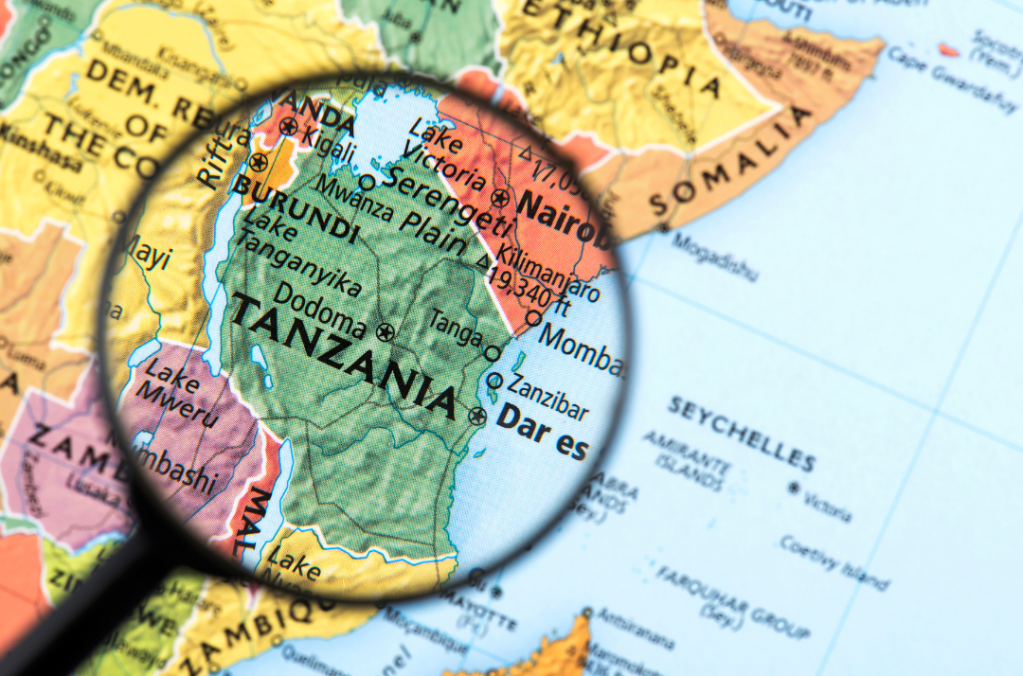
From Mwanza to Songea, Lake Tanganyika to Dar es Salaam: a collection of colonial memorial sites and traces of colonial history throughout Tanzania, as well as transnational learning centres and tourist attractions.

Reflection questions about your decolonial learning journey, as well as material on development education about critical tourism and preparing for your next trip.
Numerous authors from Tanzania and Germany talk about colonial continuities and white travel privileges, share their historical knowledge of various places and regions in Tanzania, and provide input on fairer travel. It should be noted, however, that the focus on the colonial period narrows the view and perpetuates the idea of a ‘history-less Africa before the arrival of Europeans’ – so it is just as important for decolonial travel to engage with pre-colonial history! Furthermore, in some places there are uncritical, one-sided or non-contextualised remnants of the colonial past – we point out these gaps in critical analysis and invite readers to explore them further with the help of the media references. The Decolonial Travel Guide Tanzania therefore does not claim to be exhaustive. But it is a start. A collection. A joint invitation to remember, learn and reflect.
Online, Print or Digital?
You can click through the articles here on the website, download the decolonial travel guide as a PDF, or order the printed trilingual book!
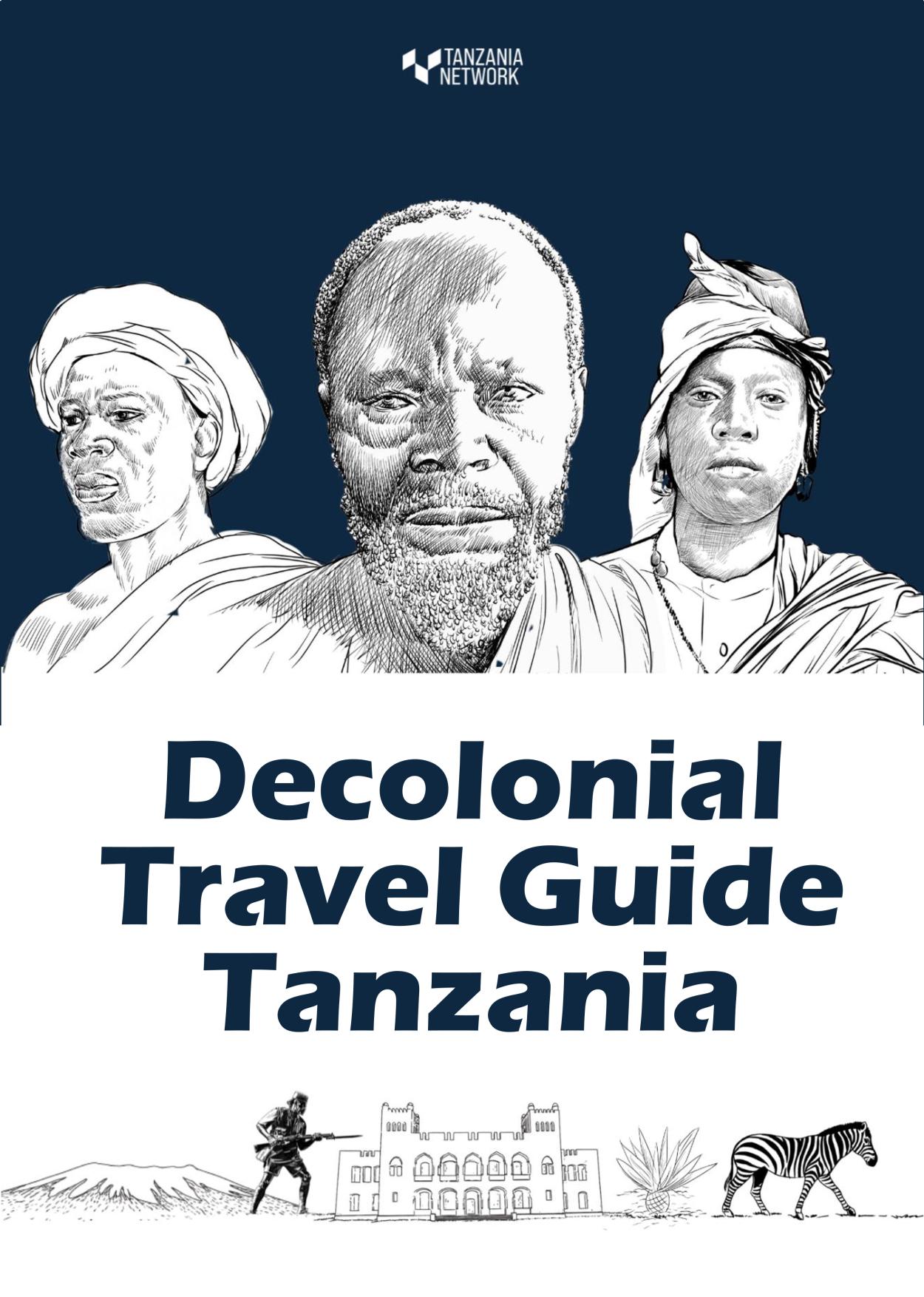
The decolonial travel guide invites you to change your perspective, aims to share knowledge, encourage reflection and reveal new ways of travelling.
Why a decolonial travel guide?
Tanzania is a popular travel destination, and one of the fastest growing in Africa. German tourists rank fourth among international arrivals. They are particularly interested in the diverse natural landscapes and enthusiastic about the rich cultural diversity. However, Germany and Tanzania are not only connected by tourism. And not only by numerous partnerships and development policy alliances. The two countries are entangled with each other through their past. German colonisation of East Africa had far-reaching social, cultural, economic and political consequences. The traces of this violent episode are still visible throughout the country today – in buildings, railway stations and street names. But also in monuments to resistance fighters and places of remembrance such as museums, as well as in people’s minds as transgenerational oral traditions. The decolonial travel guide invites you to see Tanzania with different eyes – beyond safari romance and Serengeti clichés. Travellers should take a closer look – at a difficult colonial legacy, at its visible and invisible traces, at global inequalities, at their own privileges. It is a journey into the past, to the time of German colonisation of East Africa from 1884 to 1918. But the past is not gone; it shapes the present and the future. Through a wide variety of projects across the country, numerous activists, artists, tour guides and scientists are committed to justice in dealing with the colonial legacy, to critical engagement and to preventing forgetting. We introduce them here. And it is a journey of learning, a journey of listening, of unlearning, of understanding.
 Decolonial Travel Guide Tanzania