Henriette Seydel
Decolonial travel to and within Tanzania means confronting the colonial past, its enduring structures and power imbalances, and taking a critical look at tourism and white travel privileges in my luggage.
Calendar

I live in a country where I am entitled to holidays. As an employee, I have the right to leisure and recreation. There is no war or other disasters in my country.
Wallet
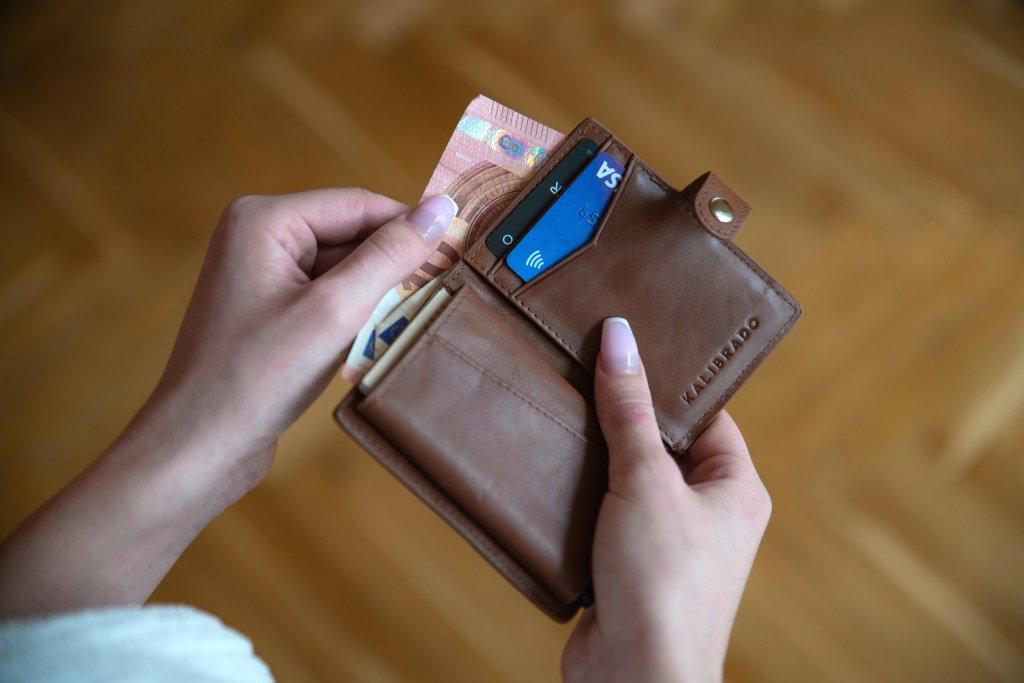
My work is fairly remunerated and I have saved up for this trip. I can afford the flight and the hotel and am looking forward to trips into nature, delicious meals, beautiful souvenirs, museum visits and wellness.
Travel First Aid Kit
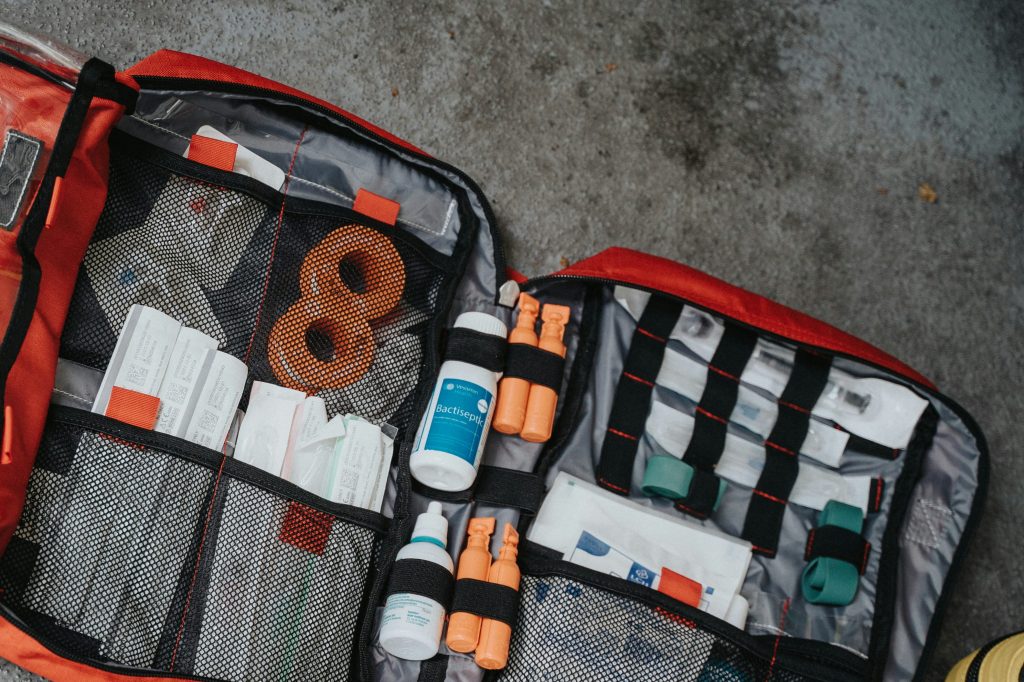
I obtained the required vaccinations in advance of my trip. Some cost money or were only available from a doctor further away, but it was relatively easy. The vaccine was available. I also have gastrointestinal tablets, plasters, headache tablets, malaria medication, mosquito spray, sun cream, a mosquito net and my international travel insurance with me.
Passport
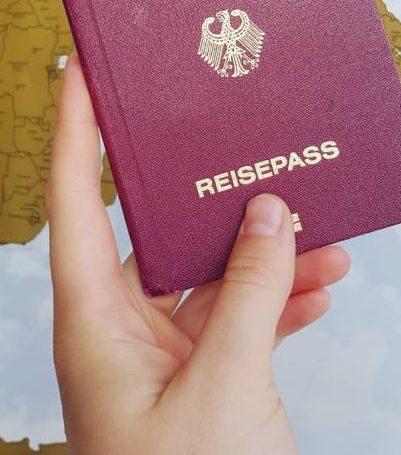
The German passport ranks third in the Passport Index’s 2025 global ranking. Without a visa or with a ‘visa on arrival’, I can travel to 175 countries. I don’t have to show my bank statements, nor do I have to worry that my visa won’t be approved. For Tanzanians (ranked 65th in the visa ranking), however, the German tourist visa costs €90, and they also have to provide proof of travel health insurance and their bank balances for the last three months. Visa applications from people from countries in the Global South are rejected at an above-average rate in Germany, the organisation VisaWie explains. Visa issuance thus becomes a means of racist and power-motivated exclusion of people.
Skin Colour
As a white European, I am not subject to extra checks at the airport (keyword: racial profiling). Being referred to as a ‘mzungu’ (Swahili for ‘European/white person’) in Tanzania was the first time my whiteness was marked and named. I was granted competence (which I may not even have), but I felt uncomfortable, de-individualised and confronted with prejudice. In particular, I was annoyed by being reduced to wealth and money. I felt so different. Is that racism? No, it is not. Because racism is not only discrimination based on skin colour, (supposed) origin and/or religion, but also refers to centuries of systematic and structural oppression of people, for example through slavery, colonization, forced labour or religious bans.
What other privileges or barriers arise in the context of travel, for example in relation to your gender, health or disability, social and geographical origin or religion?
#CheckYourPrivileges
For example with the help of Power-Flower or Wheel of Privileges and Power. Prepare your encounters with the reflection questions in the brochure Das Märchen von der Augenhöhe: Macht und Solidarität in Nord-Süd-Partnerschaften von GLOKAL e.V. (can be found in English!)

Further Information
- Ayikoru, Maureen (2024): Pragmatic Arguments for Decolonising Tourism Praxis in Africa, in: International Journal of Tourism Space, Place and Environment, Volume 26.
- Backes, Martina, Goethe, Tina, Günther, Stephan, Magg, Rosaly (2002): Im Handgepäck Rassismus – Beiträge zu Tourismus und Kultur. Informationszentrum Dritte Welt: Freiburg.
- Haugen, JoAnna (2024): What Does „Decolonizing Tourism” Mean?, online: www.rootedstorytelling.com/rethinking-tourism/decolonizing-tourism-community-diversity-nature-culture
- Ogette, Tupoka (2017): exit racism: rassismuskritisch denken lernen, Unrast: Münster.
 Decolonial Travel Guide Tanzania