Isack Abeneko
Before delving into what happened during the German colonial rule, it’s important to recognize what existed in Bagamoyo before the Germans arrived. Bagamoyo was already a thriving settlement, possibly as early as the 9th century, and certainly by the 17th century. The Wazaramo, Wakwere, and Wadoe were the first ethnic groups to inhabit the area. They engaged in trade, exchanging goods with passing groups. Archaeological findings in Bagamoyo, particularly around the Catholic parish compound, reveal artifacts from the 13th to 16th centuries, while the ruins of the ancient settlement of Kaole, founded in the 13th century, further attest to the region’s historical significance. Clearly, life and commerce were already well-established in Bagamoyo before German colonization, but when the Germans arrived, they sought to benefit from the existing trade networks and exploit the region’s resources for their own gain.
From 1885 to 1919, during the period of German colonial rule, the Germans sought to conquer and control Bagamoyo, located along the Tanganyika coast. Their involvement in the region included trade, the establishment of colonial administration, and military control, all of which triggered resistance movements.
Some key events during the German colonial period include:
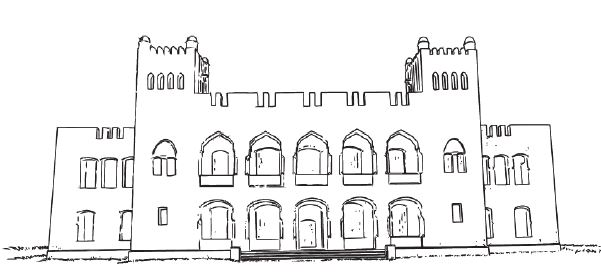
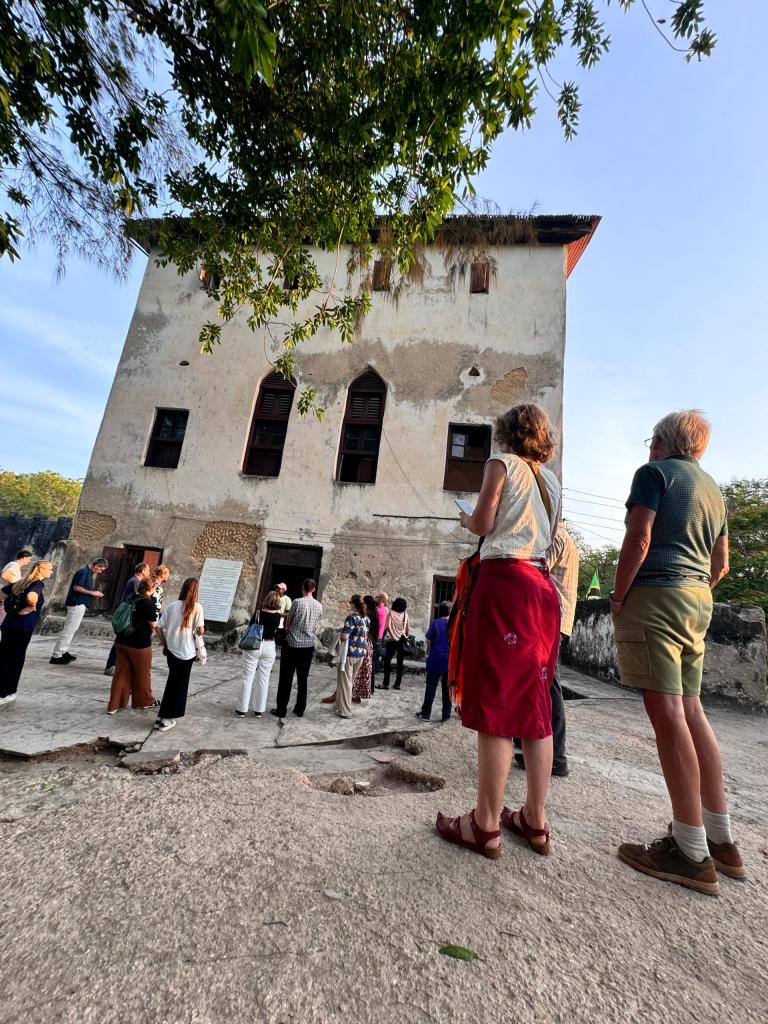
- Establishment of German Colonial Headquarters: Bagamoyo served as the first capital of German East Africa before the capital was moved to Dar es Salaam. It became the main administrative and military hub for the Germans, and the German Boma, a key colonial building, still stands in Bagamoyo today.
- Trade and Slavery: Bagamoyo was a major center for trade in items like salt, sun-dried fish, rhinoceros horns, tortoise shells, leopard skins, ivory, and slaves. Although Germany officially abolished slavery, forced labor persisted under colonial rule.
- Abushiri Rebellion (1888–1889): Led by Abushiri ibn Salim al-Harthi, this major resistance movement fought against German control of the coastal trade. The rebellion was brutally suppressed, and Abushiri was executed by the Germans in 1889.
- Missionary Activities: Bagamoyo became a central location for Christian missionary work, especially by the Catholic Holy Ghost Fathers, who established schools, churches, and freed slave settlements.
- Military Outpost: During the Maji Maji Rebellion (1905–1907), a significant anti-colonial uprising in southern Tanzania, the Germans used Bagamoyo as a military base.
Bagamoyo’s colonial history has left a lasting imprint on its cultural and historical significance. Today, it stands as an important heritage site in Tanzania.
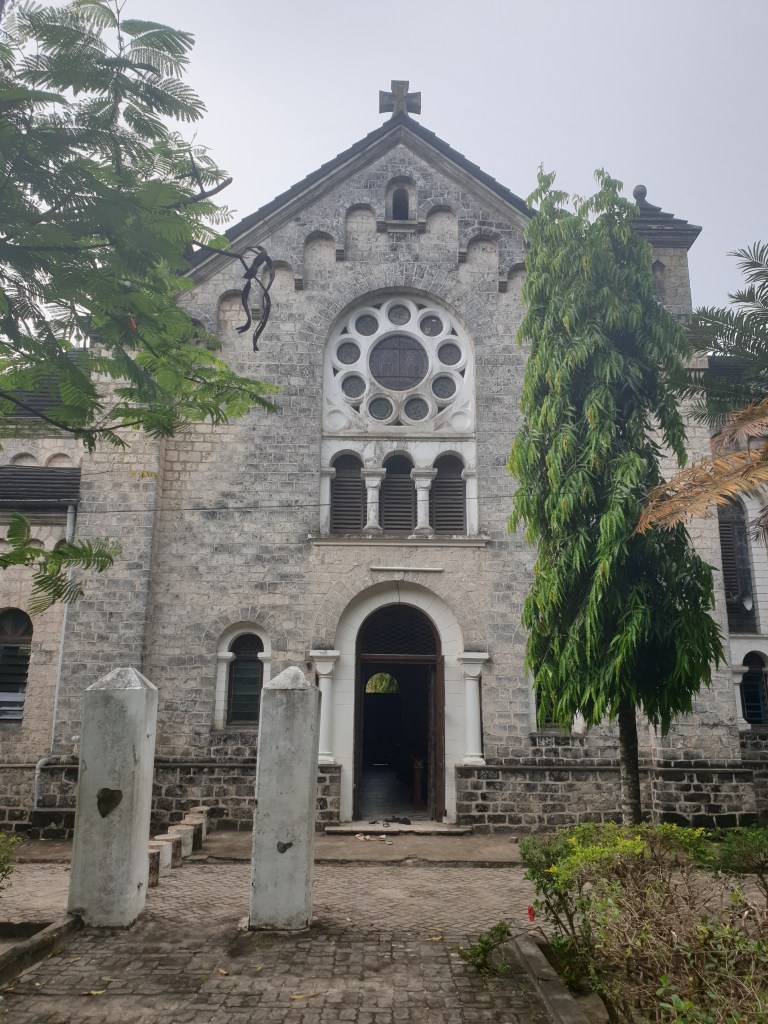
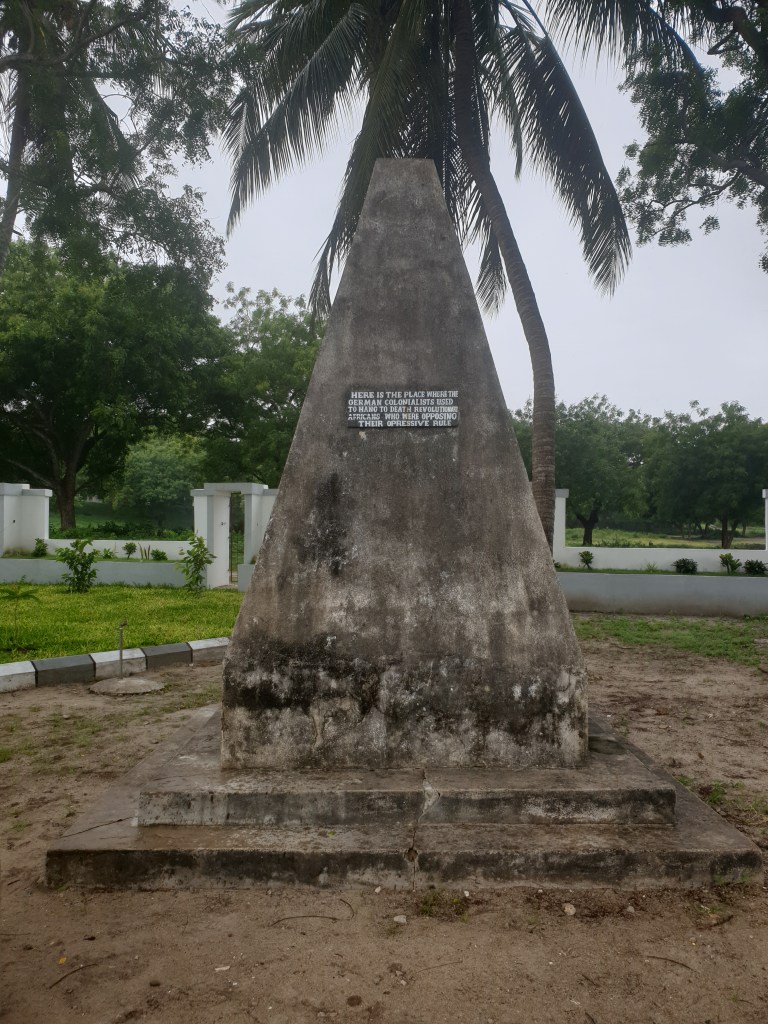
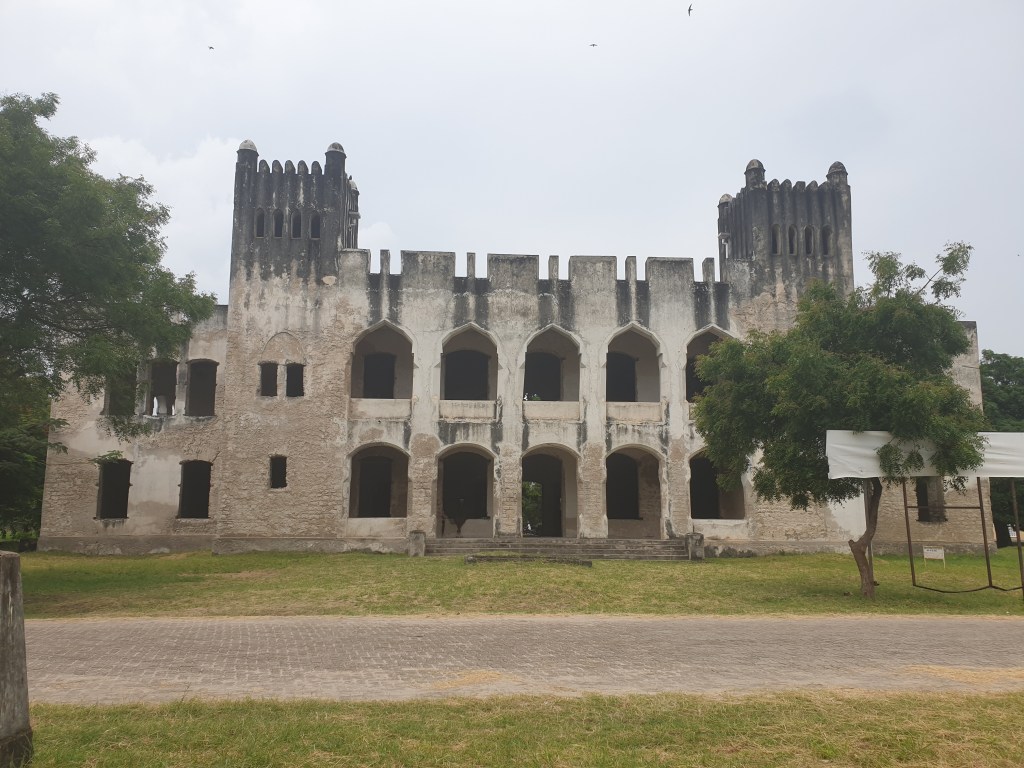
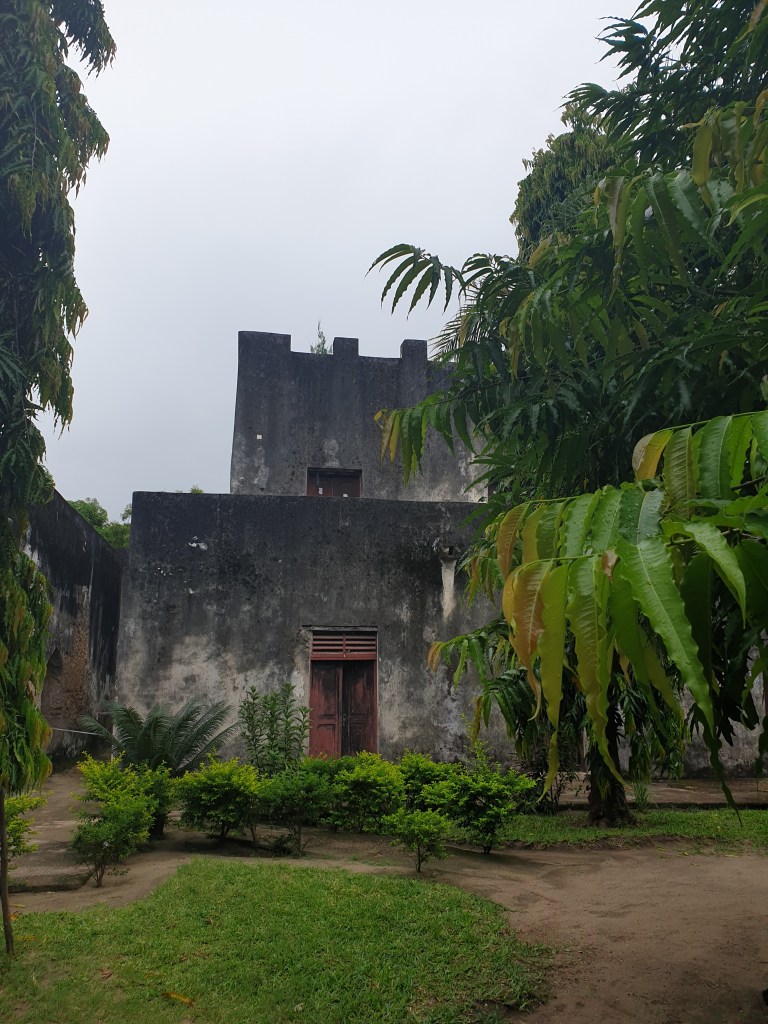
There are still many colonial traces such as Kaole ruins – once as important trade center. The German Boma, Old Fort building, the Hanging Place and its memorial for resistance fighters which is now located in the compound of Empire Bay Beach Restaurant as well as the German Cemetery with the graves of German soldiers (down at the beach of the Indian Ocean) bear witness to the colonial past. Salt production at Nunge, the compound of Catholic parish in the north of Bagamoyo, Old Arab Tea House next to the Boma, the Old Post Office, the Salim Bin Saada House, German Dispensary, Ijuma Mosque, the Bagamoyo hospital, fish market, the Old Market and the Caravan Serai – to name but a few – are other interesting places that are worth a visit.
Further Information
- Freundeskreis Bagamoyo e. V.: www.bagamoyo.com
- Lucian, Charles (2010): Conservation and Maintenance of the Old Boma Building in Bagamoyo
 Decolonial Travel Guide Tanzania