Mariam Gichan 1
Mwanza, Tanzania’s second largest city, is known for its stunning rock formations – that’s why it is also called “Rock City” –, its location on the shores of Lake Victoria, and the Sukuma culture. But beyond the scenic beauty lies a history shaped by German colonial rule. Colonial era infrastructure, names, and historical sites still mark the city’s landscape. Also, these stories are often told from an outsider’s perspective, but rarely from the perspective of the people from Mwanza.
During the late 19th and early 20th century, Mwanza was a key administrative and trading hub for the German East Africa colony. The Germans established a railway station to facilitate the extraction of resources, constructed buildings, and introduced cash crops like cotton that reshaped the local economy. These developments were not for the benefit of the indigenous people, but were tools of control and exploitation. As elsewhere in Tanzania, Mwanza also experienced resistance to colonial rule. Sukuma communities among others, fought against forced labor, taxation, and land dispossession. While official records often glorify German engineering and governance, it is crucial to remember the people who suffered under colonial policies and those who fought back.
Colonial violence was not limited to forced labor and land dispossession, it also included brutal executions of African leaders who resisted German rule. One such leader was Chief Chenge of Bujashi. In an oral testimony, Chief Itale, a descendant of Chief Chenge, recounts how his ancestor was executed by the Germans after refusing to submit to their authority. When the Germans arrived in Bujashi searching for a murder suspect, they summoned Chief Chenge to come to them. But as a sovereign leader, he refused, insisting that they come to him instead. This defiance angered the Germans, leading to his execution. His scull was taken to the German Empire for racist studies, a fate shared by many African resistance leaders under German colonial rule.
Reflecting on this painful history, Chief Itale emphasizes the importance of moving forward with unity and peace. “Did we create enmity? No, we have already forgiven them and we have deleted (the past). So now we have to live with peace and love”, he says. His words highlight the resilience of the Bujashi people and their desire to remember history without being trapped by it. While colonial injustices cannot be erased, Sukuma communities like Bujashi seek recognition and reconciliation rather than lingering animosity.
Despite the end of German rule over a century ago, many more traces remain visible in Mwanza..
Hanging Tree Memorial

In Mwanza city there is one monument which commemorates the colonial violence. The Hanging Tree memorial is located at a busy roundabout at the intersection of Julius Nyerere Road, Jomo Kenyata Road and Makongoro Avenue. This site stands as a reminder of public executions.
Gunzert-Haus
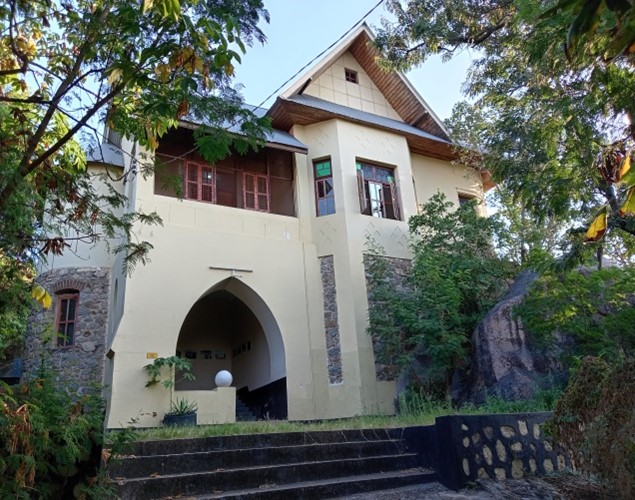
Gunzert House (located at Makoroboi) raises questions about how colonial architecture is preserved. Perched on what was once called Calf Hill by the Germans. Gunzert House stands as a reminder of Mwanza’s colonial past under German rule. Built in 1912 for Theodor von Gunzert, the city’s former District Commissioner, the house offers panoramic views of Lake Victoria.
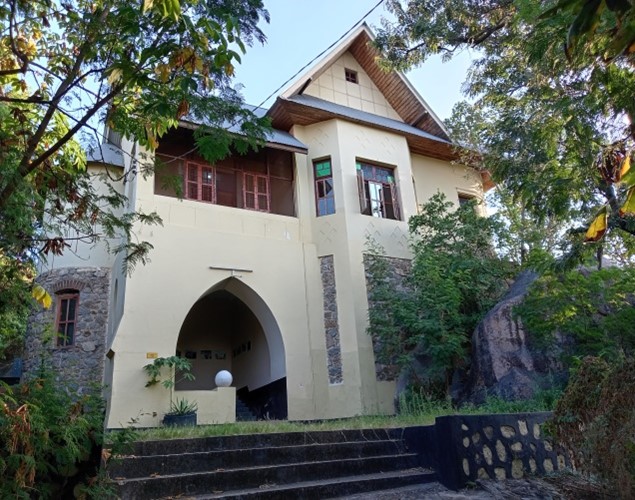
While its architecture reflects German colonial influence, its legacy is intertwined with the exploitation and resistance of the local population. Gunzert ruled Mwanza with an iron fist, enforcing forced labor and brutal punishments, earning the nickname Mkali. Although people of Mwanza resisted, both actively and passively, using strategies such as work slowdowns and agricultural sabotage. Today Gunzert House has become a museum and is open to the public.
Bismarck-Rock
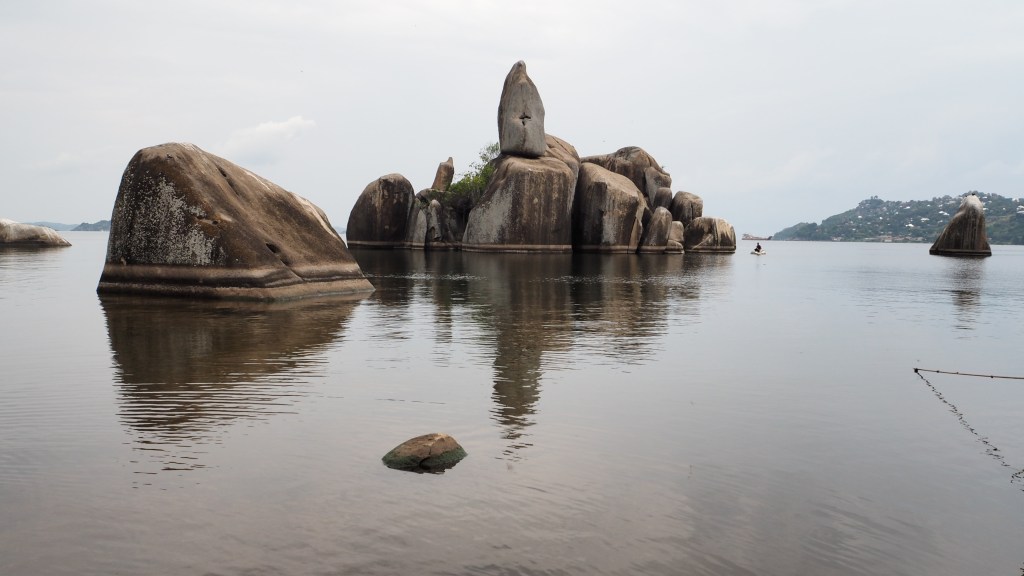
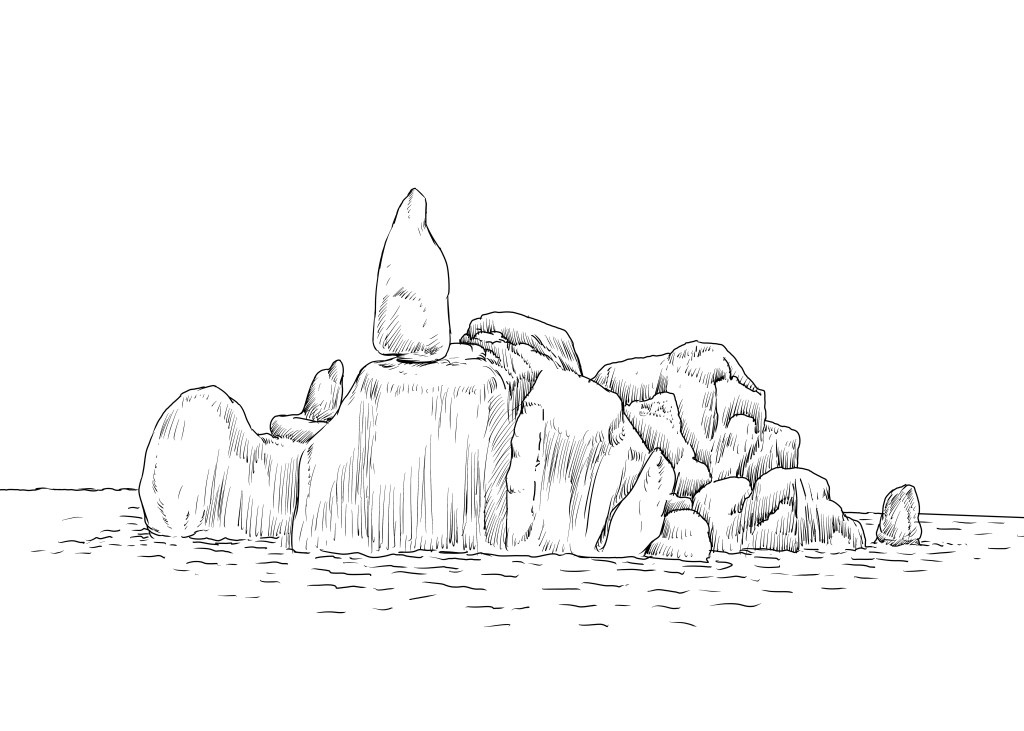
Bismarck Rock, a rock formation in a Bay of Lake Victoria in Mwanza city, was named after Otto von Bismarck, who was the German chancellor when the German official colonization of East Africa started. This landmark is one of Mwanza’s most famous attractions. The name itself is a relic of colonial history.
„German“ cemetery
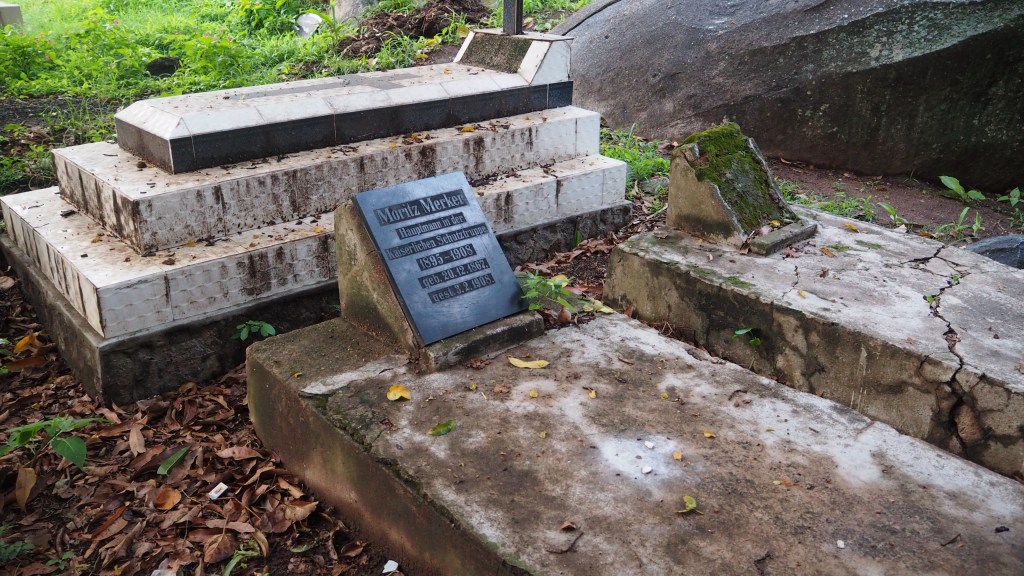
The „German“ cemetery in Mwanza is a reminder of the city’s colonial past, with graves dating back to the era of German East Africa (1885–1918). The cemetery is easy to find, just follow the road to famous Tilapia hotel and continue a bit further. Nowadays it is the cemetery of the Anglican Church. Among new graves, there are still numerous German graves from colonial times. Some gravestones remind of very dark stories.
There is, for example, the grave of Moritz Merker, an officer in the Imperial Protection Force. From today’s perspective, this Moritz Merker is considered a colonial criminal. Historical records prove his direct involvement in sending human remains from German East Africa to the German Empire for so-called scientific studies. Hence this racist and hierarchical research has long been proven wrong. It is important to critically engage with such sites as the cemetery and shift the narrative from colonial nostalgia to historical accountability.
Lake Victoria
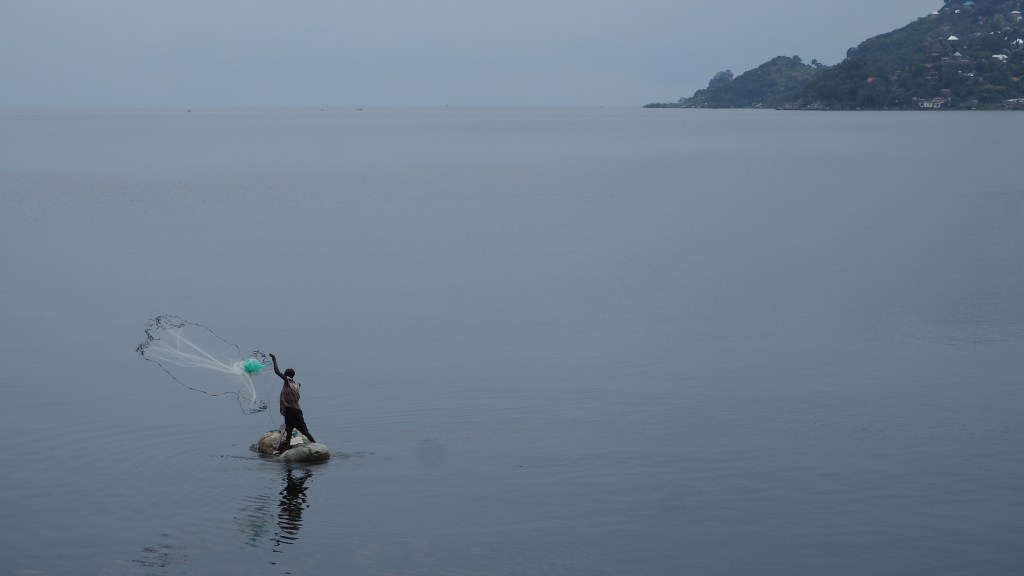
Lake Victoria known by its indigenous names such as Nyanza, Nam Lolwe, and Nalubale, was renamed by British explorer John Hanning Speke in 1858 which erased the deep rooted African identities. This act of colonial mapping symbolized the imposition of foreign narratives onto a lake that has long been central to local cultures, economies, and spiritual beliefs. Decolonizing travel here means reclaiming these indigenous names, learning from lakeshore communities about their historical ties to the water, and understanding how colonial interventions disrupted ecological and social systems. Travelers are encouraged to engage with local guides and honor the lake’s true legacy beyond colonial inscriptions.
Colonial history is only one chapter of Mwanza’s story. Precolonial and postcolonial narratives also shape the city’s identity.
Bujora Historical Museum in Bujora-Kisesa preserves and presents the history and traditions of the Sukuma communities, who have lived in the region for centuries. Visiting Bujora allows travelers to learn about Mwanza’s indigenous heritage beyond the colonial lens. Kageye Historical Site in Kayenze also offers information from before colonialism. It used to be an important trading post. Here, visitors can also learn about slavery issues. Later, missionaries settled there. Kageye existed long before the Germans arrived. It offers a glimpse into the region’s past before European intervention. Mwanza’s landscape, shaped by giant granite rocks and rolling hills near Lake Victoria, adds to its natural charm. One iconic spot to visit is Jiwe Kuu in Kitangiri, Ilemela – a massive rock formation that not only showcases the geological beauty of the region but also holds oral stories and myths about Mwanamalundi, a legendary Sukuma figure believed to have possessed supernatural powers. Mwanza is also an ideal starting point for a journey to Ukerewe Island. For those seeking a different kind of adventure, a ferry from Mwanza to Ukerewe Island provides a journey through Lake Victoria’s waters, leading to a destination rich in history.
Further Information
- Blog: “History is no Joke – Postcolonial Perspectives on the History of Mwanza”: www.historiasimchezo.wordpress.com
- Shout-out to Ramona Seitz and Ramadhan Pocha who have travelled Mwanza and beyond with me ↩︎
 Decolonial Travel Guide Tanzania