How the Gunzert House in Mwanza is used as a Strategic Resource for Postcolonial Collaboration between Tanzania and Germany
Delphine Kessy
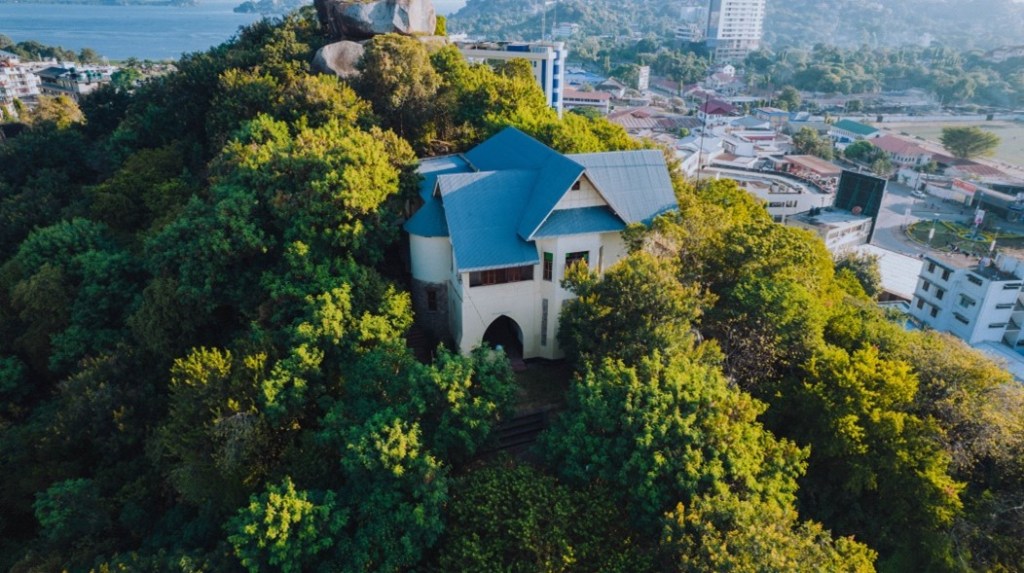
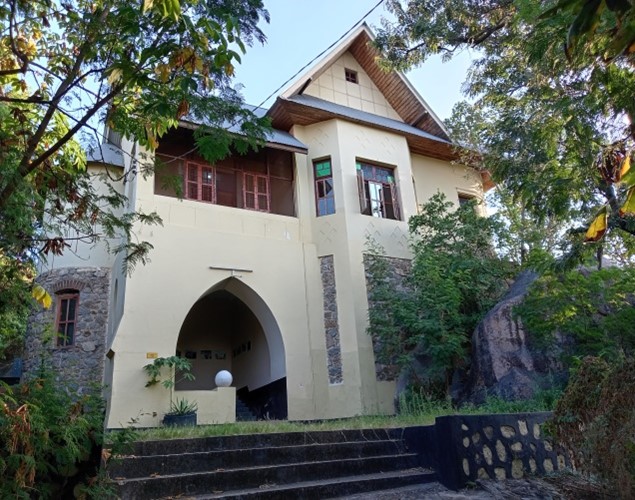
The Gunzert house in Mwanza city is one of the colonial-era buildings restored to offer a unique opportunity to reimagine tourism through inclusivity, cultural exchange, and historical reconciliation. The house is situated just five minutes walk from the famous Lake Victoria. It is a tangible reminder of Tanzania’s colonial administrative past architecture, specifically the German colonial period in the late 19th and early 20th centuries. Its restoration started in the end of 2019 after receiving funding from the federal government of Germany and completed in 2021. The restored Gunzert House offers an opportunity to challenge the complex history, strategically reengineer and recontextualize it within a postcolonial framework.
Community Based Tourism
The restoration of Gunzert House was not merely an act of historical preservation but also a symbol of inclusivity. Involving the indigenous communities in tourism by integrating them into the management and curation of the site promotes ownership by local communities. The empowerment program such as training for women self-help groups, making souvenir and tour guide training provide an opportunity for self-employment while promoting more equitable distribution of tourism revenues.
German-Tanzanian Collaboration
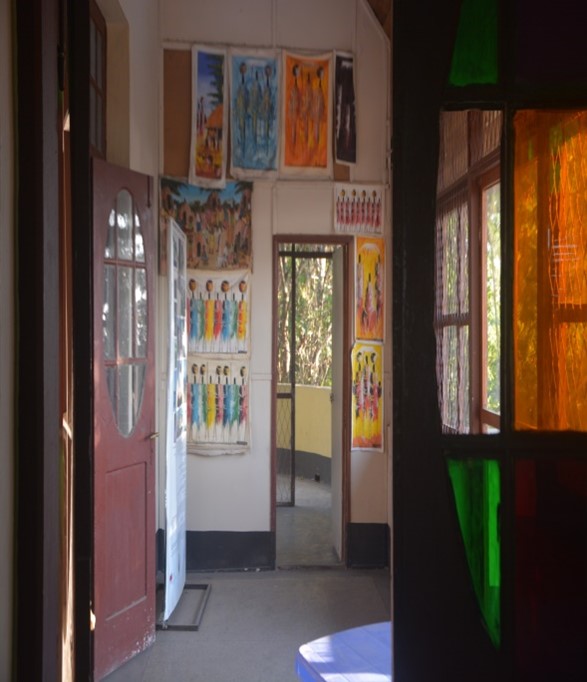
Funded by both Tanzanian and German stakeholders, including the city of Würzburg, the Gunzert house project represents a collaborative effort to address the shared colonial past. The house now functions as a socio-cultural center, a museum, art gallery center, and research hub. It also provides a space for Tanzanian and German communities to engage in dialogue about their shared history, fostering mutual understanding and cultural exchange including historical exhibitions or cultural performances.
Decolonizing Tourism through Gunzert House
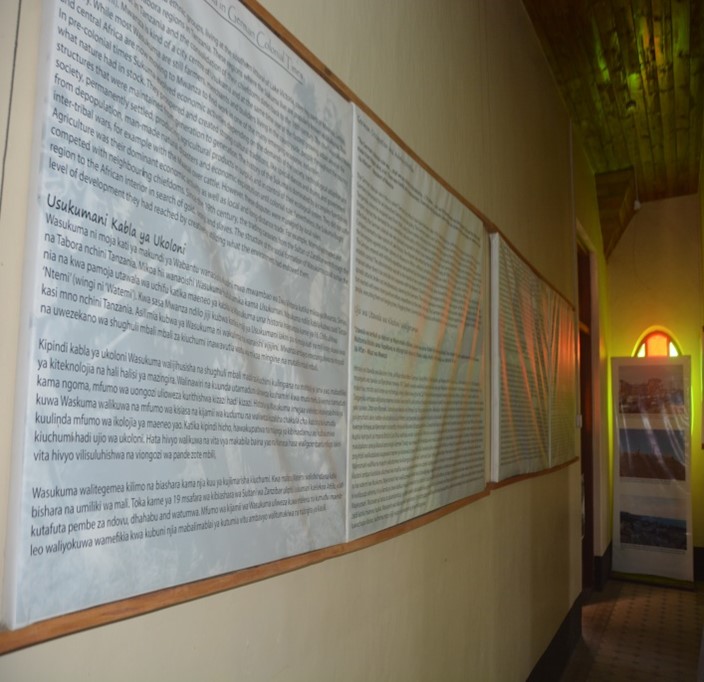
Gunzert House offers a unique opportunity to decolonize tourism by redefining its narrative. Traditionally, tourism in Tanzania has been shaped by colonial perspectives, often sidelining the experiences and contributions of local populations. The house’s exhibitions, such as „Usukuma in German Colonial Times“ and „Mwanza’s Hidden Stories“, aim to shift this focus by highlighting the history and heritage of the region from a Tanzanian perspective.
The educational programs on colonial history and its impacts provide an opportunity for visitors to engage critically with the past. This approach challenges the other narratives that have dominated tourism marketing and instead centers the voices of those who were historically marginalized. Furthermore, the house’s role as a cultural and historical hub promotes cultural exchange that prioritizes mutual respect and equity. It attracts a broader audience, including domestic tourists especially school pupils who have historically been excluded in tourism.
Challenges and Opportunities
Despite its potential, the Gunzert House project faces challenges such as balancing historical preservation with modern inclusivity which requires careful triangulation of the complexities of colonial legacies and modern day cultural relations. The project must also address the long-term financing and sustainability of the house so that it remains a viable resource for future generations. However, these challenges present opportunities for international collaboration and funding, particularly from stakeholders interested in promoting ethical and inclusive tourism practices. The Gunzert House in Mwanza is not just a restored colonial building but a symbol of historical reconciliation and cultural exchange.
Gunzert-Haus Mirongo Hill, Temple St. ⅼ Phone: +255716397856 / +255754819590 ⅼ E-Mail: gunzerthouse@gmail.com ⅼ Instagram: @gunzerthouse
The Sister City Relationship between Würzburg and Mwanza
Michael Stolz
I first heard about the Gunzert House in the spring of 2012, when Mama Salalah, a native of Koblenz with Tanzanian citizenship from Mwanza, came to Würzburg for a week following our invitation. She brought a document from the Tourist Department of St. Augustine’s University Tanzania (SAUT). It described how, a hundred years earlier, the German governor Theodor Gunzert had built a residence on one of the typical conical hills in what is now the city of Mwanza, a building I hadn’t noticed during my multiple visits to the city. However, on my next visit to Mwanza, I found the old house, which can easily be seen from the rooftop bar of the neighboring Gold Crest Hotel – at eye level. Getting there proved to be a challenge, as access is only possible from the center of the market. You just have to squeeze through between two shops and then take a somewhat overgrown path uphill – and you’ll see the enchanted old Art Nouveau house before you. So I accepted the paper on behalf of MWANZA e.V. Unsure what might become of it, I passed it on to Würzburg International.
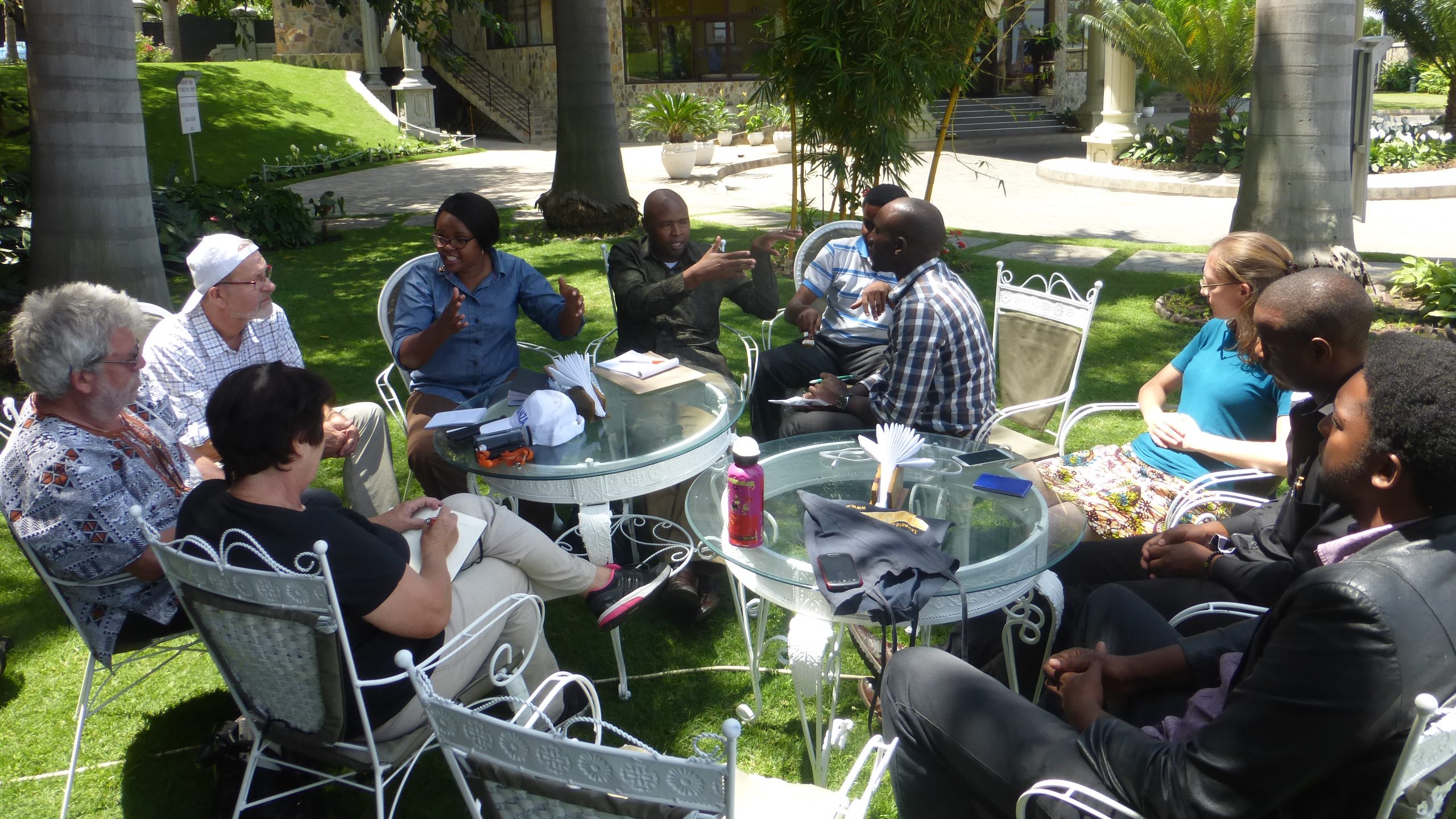
In 2016, in the 50th year of the town twinning between Würzburg and Mwanza, the first planning meeting took place with all those interested in the project: Delphine Kessy from the SAUT Tourism Department, Bernd Schmidt from the Würzburg city administration, Walburga Hirschbeck and Michi Rösser, two ASA1 grantees who had dedicated their stay to the issues surrounding the Gunzert House, Amin Abdallah Amin from the city of Mwanza, Isack Asfao from the AfriCalabash artists‘ initiative, and Michael Stolz from MWANZA e.V.. There was an intensive exchange of views, which was dominated by the idea of developing the house into a cultural center that could be used for artists, as a city museum, or for seminars. The German Embassy in Tanzania was also to be involved. Several ASA visits, some in cooperation with SAUT, further researched the historical background and possible uses. Well, the house continued to develop until it was inaugurated in November 2021, in the presence of Würzburg’s mayor, Christian Schuchardt. Since September 2023, the robotics workshops of MWANZA e.V. have been taking place in the Gunzert House. Dishes and similar items were donated by the city of Mwanza; all other cooking utensils, refrigeration, and cooking facilities had to be laboriously brought up the mountain
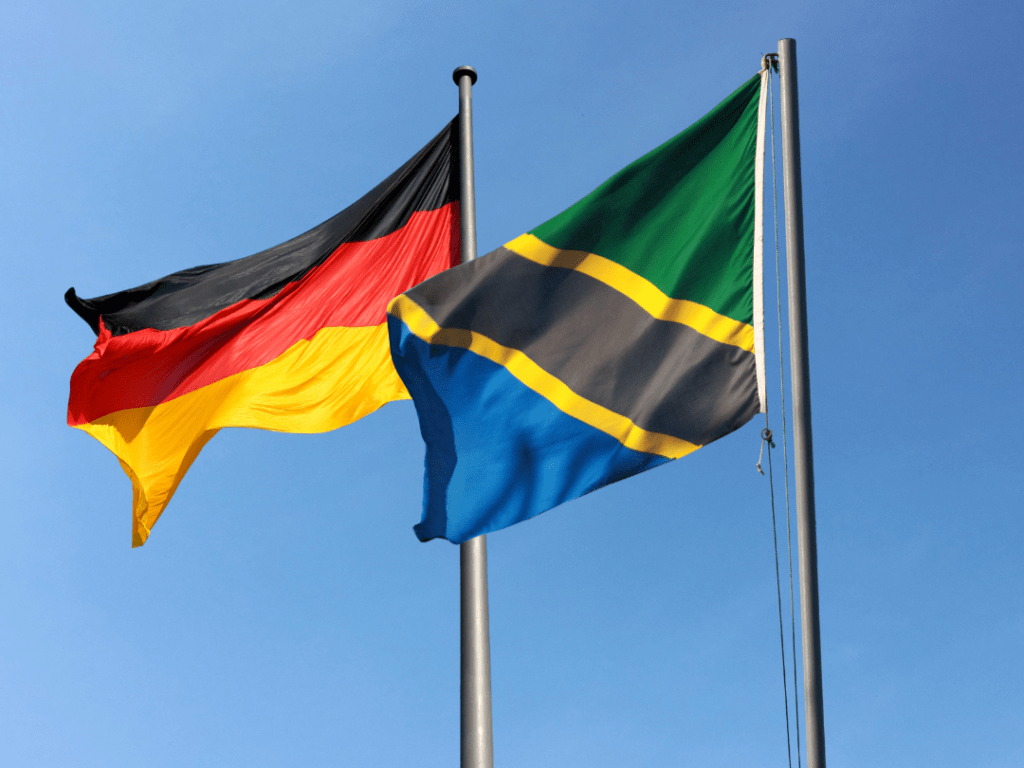
A map of German-Tanzanian communal partnerships can be found here: www.tanzania-network.de/informationen/nordsüdpartnerschaften/städte
- ASA stands for development policy work and study stays in the Global South – a program funded by the German Federal Ministry for Economic Cooperation and Development. ↩︎
 Decolonial Travel Guide Tanzania