Joel Niganile
The coastal city of Tanga, which is located around 87 sea miles south of Mombasa and approximately 126 sea miles north of Dar es Salaam, is one of the oldest settlements along the East African coast which dates back in the 11th century. Between 1500 and 1700, Portuguese colonisers occupied the area. From the mid-18th century, Tanga was part of the Omani-Zanzibar Sultanate, a ten-mile strip of land extending along the entire length of the East African coastline plus the islands of Zanzibar and Pemba. Due to its location, Tanga was a thriving trading port, among other things for ivory and enslaved people.
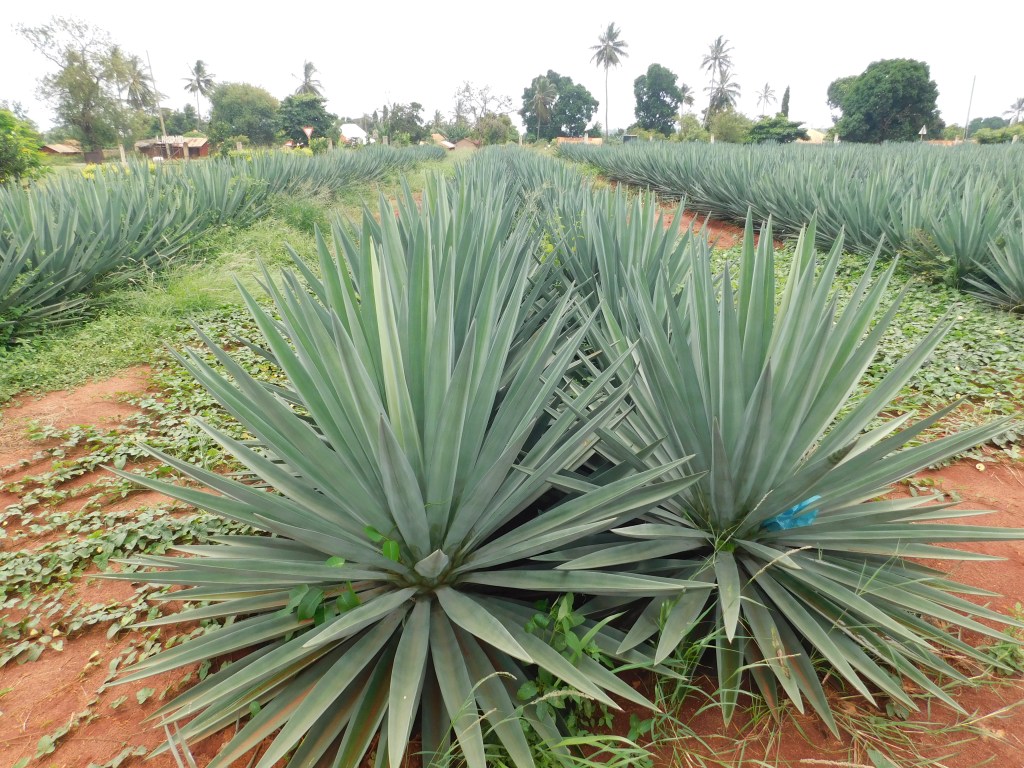
1887 this territory was leased by the Sultan to the German East Africa Company for a period of 50 years. But German officials took over control, which led to a rising of the Arabs and Yao that continued until the end of 1889. In 1891, the Imperial German Government took over the whole territory from the German East Africa Company. With its protected port and fertile hinterland, especially in the Usambara mountains, Tanga became a center of German colonization. For their export-oriented agriculture, they mainly cultivated sisal. The Tanga Railway, later known as the Usambara Railway line, was commenced in 1893, eventually reaching Moshi in 1911. The railway was used almost exclusively to transport export goods such as sisal, coffee and cotton from the interior to the coast and then on to the German Empire. Thousands of East Africans were forced to work under very harsh conditions and with violence during the construction of the railway line and in the fields. By 1913, Tanga was the fourth largest town in German East-Africa.
During the First World War, the Germans advance into the interior from Tanga in 1914 was driven back by their enemies. But when a British attack on Tanga in November of the same year was repelled with 795 casualties, German General von Lettow-Vorbeck made military history with this famous ‘Battle of Tanga’. Tanga was eventually occupied by the British on 7th July 1916. The Memorial Cemetery of Sakarani grave yard and the Memorial Cemetery in the Usagara area of the town still mark the spot where the dead German soldiers are buried.
The fact that hundreds of thousands of Africans – Askari soldiers and the local population – died in the First World War was ignored. They are not buried in a graveyard and until today there is no monument in Tanga commemorating them.
Some of the buildings and architectural during German colonial period still exist in Tanga.
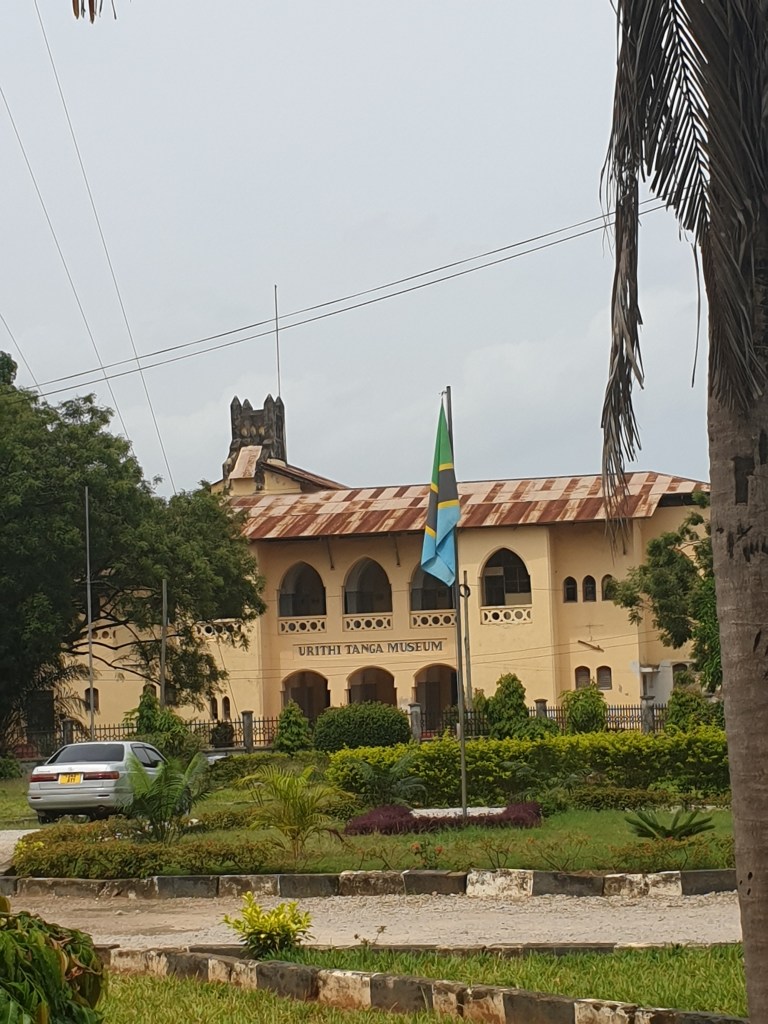
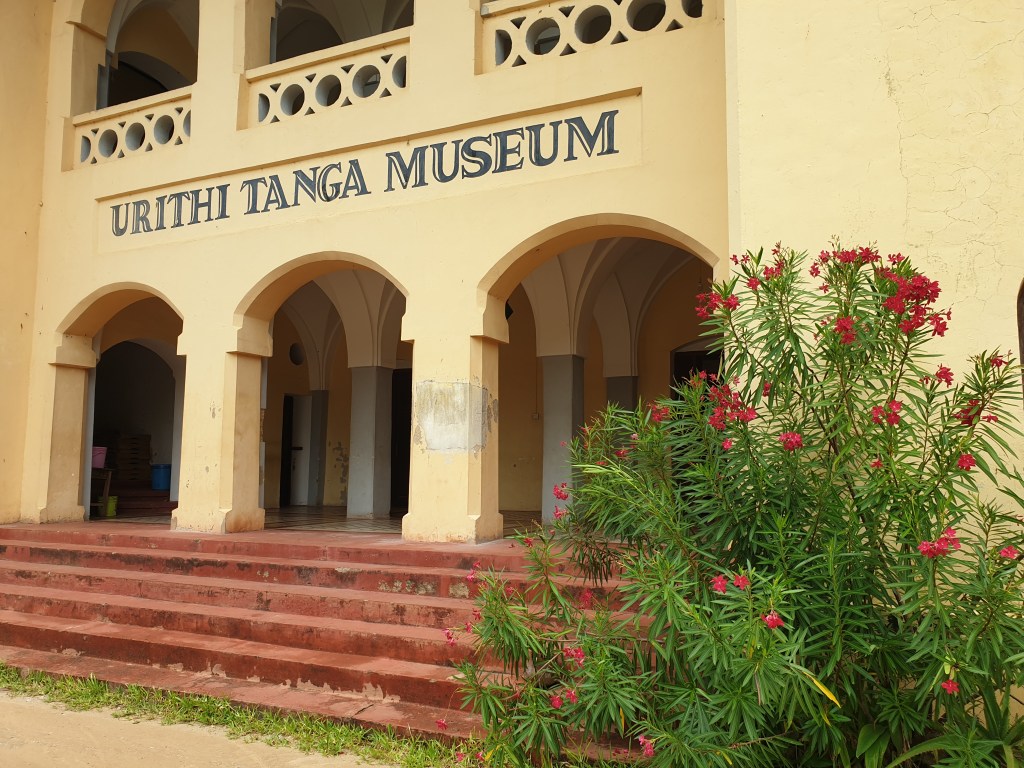
Urithi Museum Tanga in German Old Boma (c) Henriette Seydel 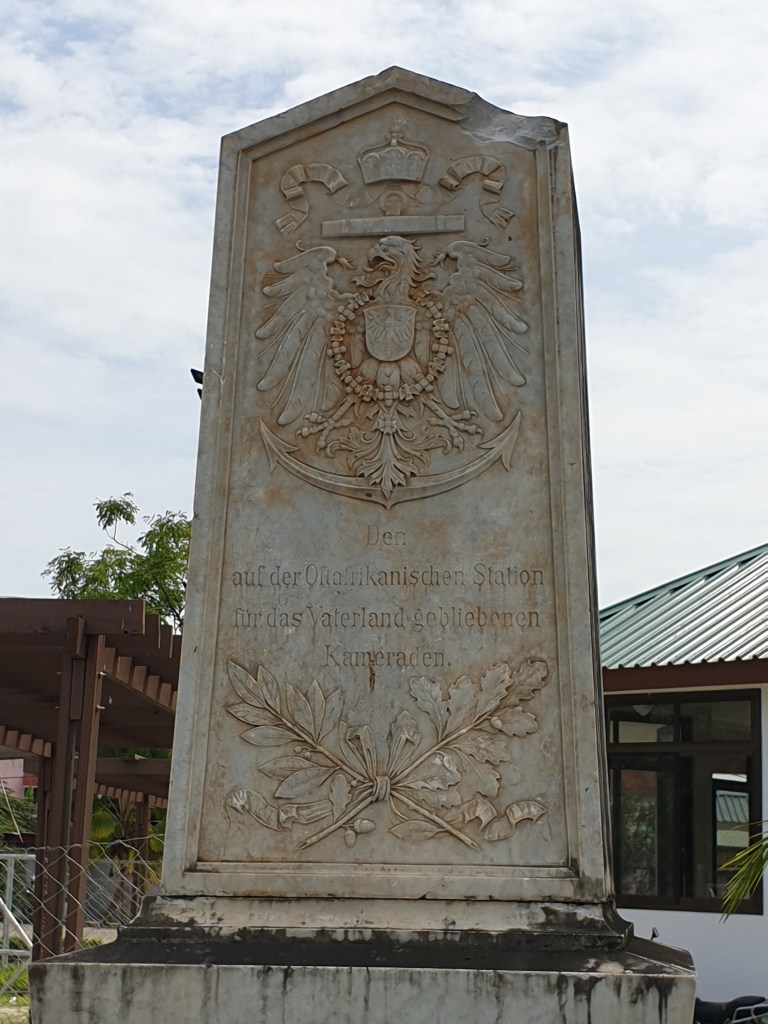
Memorial for German Soldiers but none for East Africans – Tanga (c) Henriette Seydel 
Hospital (c) Urithi _ Joel Niganile 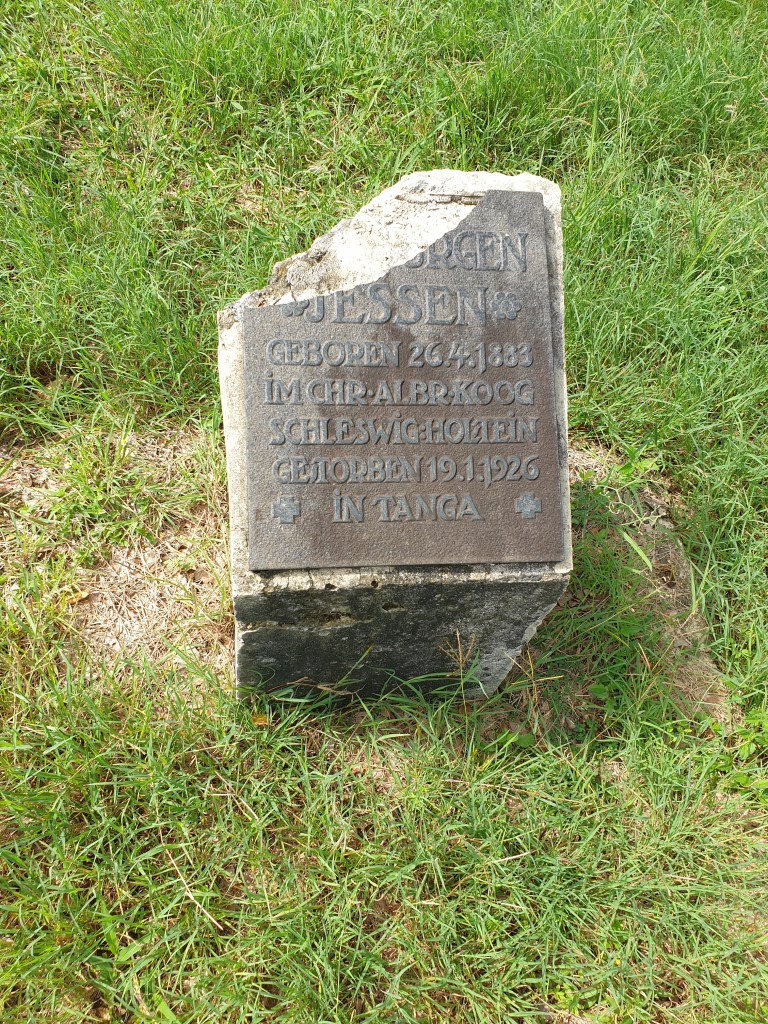
Grave of German Soldier in Tanga Graveyard (c) Henriette Seydel 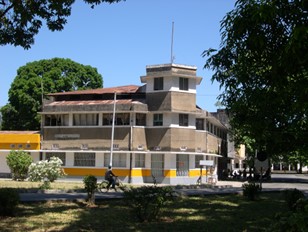
German Club House (c) Urithi _ Joel Niganile 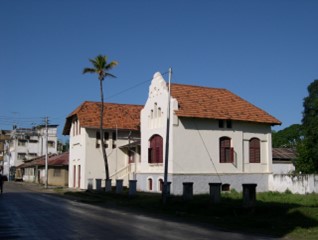
Davis Hardware (c) Urithi _ Joel Niganile 
Clock Tower (c) Henriette Seydel
- Tanga Bezirksamt „Boma“ was built in the 1890s. After the World War I the British took over from 1918 since independence. What was titled regional commissioner block from 1961 to 2006 is currently known as URITHI Tanga Museum.
- German Club House was built in 1889, after the WWI the British took over. It was known as Usagara Company. In 1967 after independence, the building was nationalized, now the building is owned by N.H.C. and they rented to YDCP NGO.
- The Government Hospital – the first one in German East-Africa – was built in 1893. During British colonial regime the building was known as Cliff Block. The building is under construction now.
- Davis Hardware from 1889 was nationalized after independence and is now used as Usambara Court House.
- Tanga Government School (1895) has been the first formal German governmental school. The building still exists and is known as Old Tanga Secondary School.
- The Usambara Railway Line was constructed by Germans in 1893, it connected Tanga with Kilimanjaro region. Some buildings remain like The Old Railway Station and a Workshop
- Hotel Kaiserhof was big and luxury hotel in East Africa in the 1890s. In November 1914 during WWI a part of the building was bombed. After independence the building was nationalized and given to N.H.C. Now the building is private property. The Zenith Hotel also has been a big luxury hotel in Tanga. During British era it remained a hotel, currently it houses TCCIA offices.
- Tanga Clock Tower 1901 is located in the Independence Avenue (formally known as Kaiserstraße)
- Navy Monument: The German soldiers were buried in this mass grave. Today, the site is known as Jamuhuri Park.
- Bismarckplatz (1906-1914) During the British colonial period, it was known as Selous Square (1918-1960). After independence in 1961, it was renamed Uhuru Park, Freedom Park.
Further Information
- Thembimutchblog (2020): Early History in Tanga and Swahili Identity, online: www.hiddenhistoriestanzania.wordpress.com/2020/08/25/slavery-in-tanga-and-swahili-identity/
- Tanga Tourism Network Association (2011): “Tanga – Tanzania’s Secret in between the Ocean and the Parks. Tourism Guide for the Tanga Region”, online: www.tangatourism.org
 Decolonial Travel Guide Tanzania