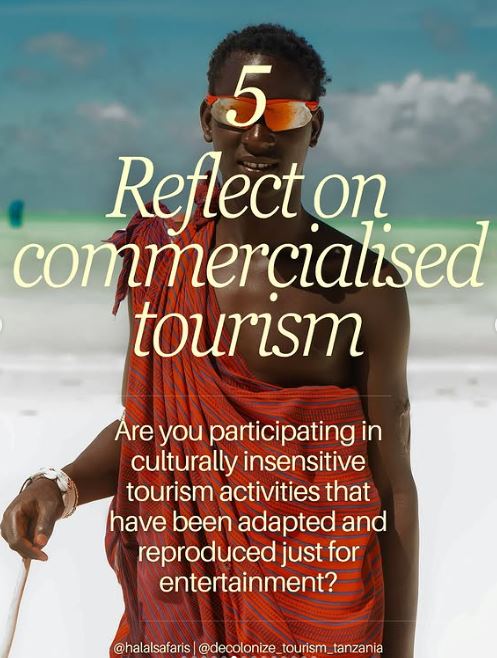
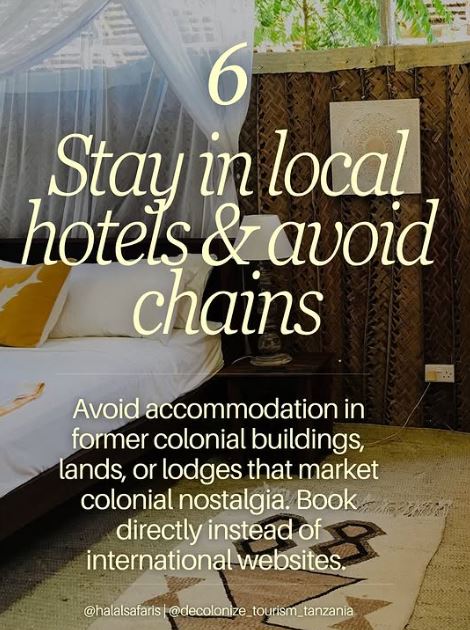
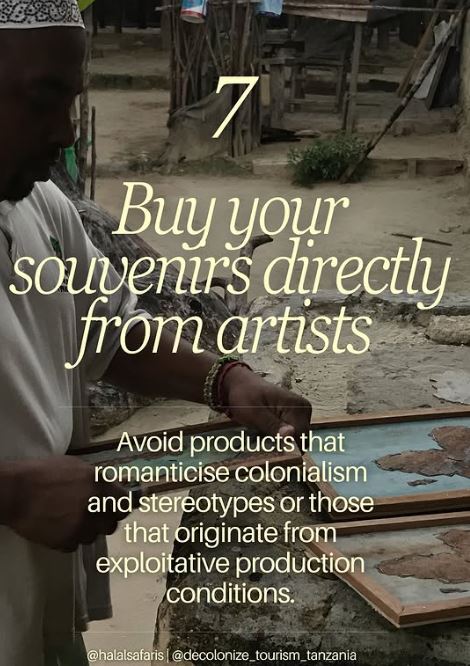
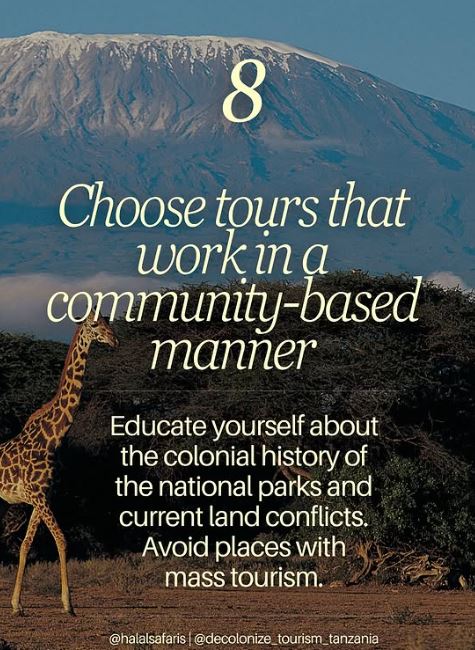

Was heißt „Decolonizing Tourism“ für dich? “Kuondoa Ukoloni Katika Utalii” kwako inamaanisha nini?
Karibu sana to add your thoughts and comments on this topic. To allow a German-Tanzanian Discussion please add your comment below in English.
3 Antworten zu „Discussion: Decolonize Tourism“
-
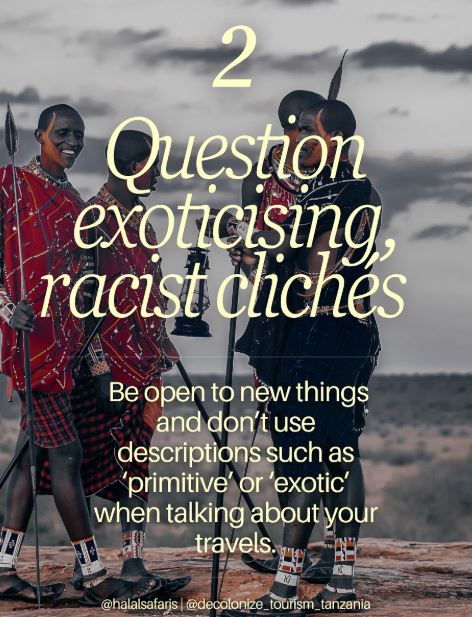
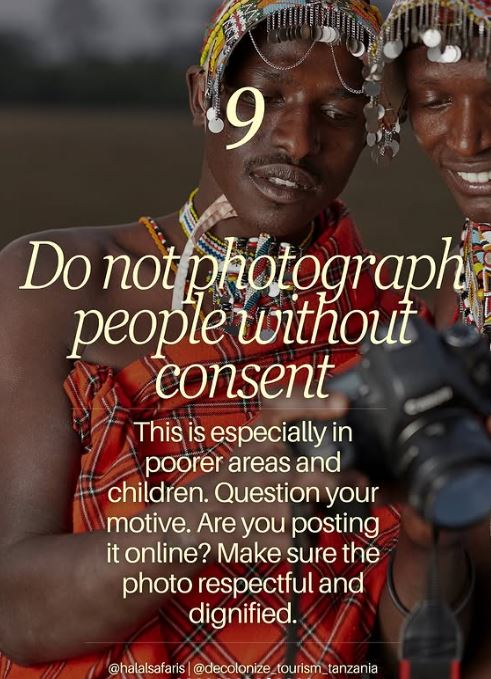
Travel with intention…Travel with respect…Travel responsibly…Travel decolonially: Reject the white saviour complex! Don’t play the hero! Travel is not about saving people, but learning, respecting and supporting existing local agency.
LikeLike
-
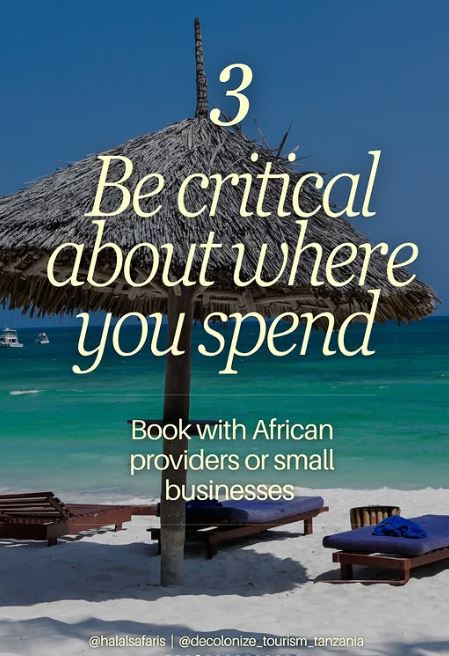
Let‘ not forget about food! It is super important to eat local and patronize local farmers and food entrepreneurs ❤
LikeLike
-
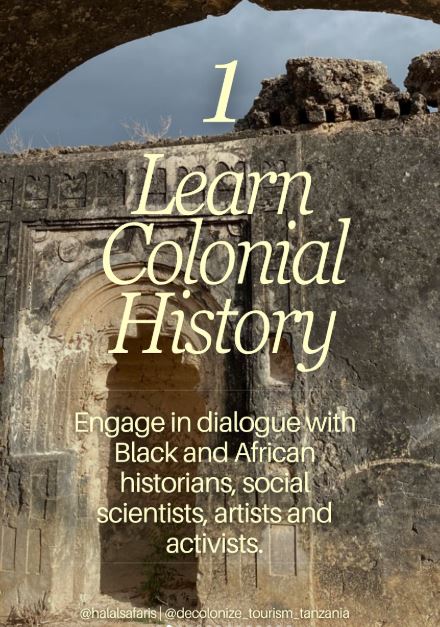
I think also learning about the history before colonization is important! Africa is grandiose, as it’s the history of Africans!
How many are aware that African sailors were already travelling to Asia before the Europeans arrived to Africa?
LikeLike


Bernard Ntahondi (curator, historian, guide in Dar es Salaam)
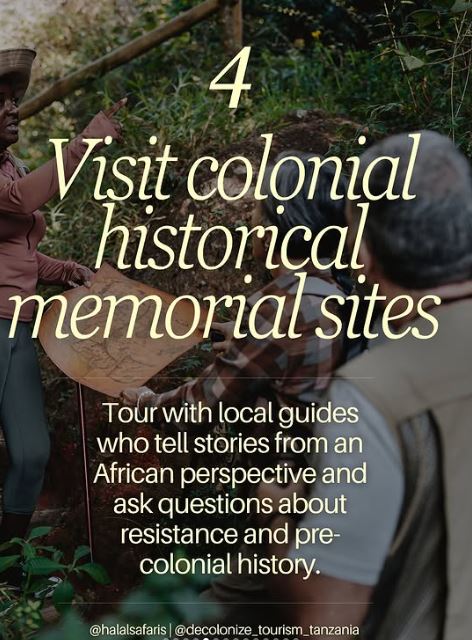
>> By highlighting sites like the Old Boma, German-era buildings, and post-colonial transformations, I help tourists understand how colonialism shaped the city’s architecture, urban planning, and cultural landscape. I help reframe colonial history, offering a balanced perspective that includes marginalized voices, while navigating the ethical responsibility to present these topics respectfully. My work in tourism can challenge oversimplified or euphemistic representations of colonialism, fostering critical reflection and understanding among visitors. My work aligns with efforts to preserve and repurpose colonial-era buildings rather than erase them. <<
>> Decolonial tourism is about more than visiting historical sites, it’s about questioning dominant narratives and amplifying silenced voices. Challenging colonial nostalgia recognizes that colonial infrastructure, while impressive, was built through exploitation. Understanding Mwanza through a decolonial lens is not just about the past, it’s about how history continues to shape the present. From street names to heritage sites, colonial legacies persist, but so do the stories of resistance and resilience. By traveling critically and engaging with multiple perspectives, we can contribute to a more honest and inclusive understanding of Tanzania’s rich history. <<

Mariam Gichan (Journalist from Mwanza)
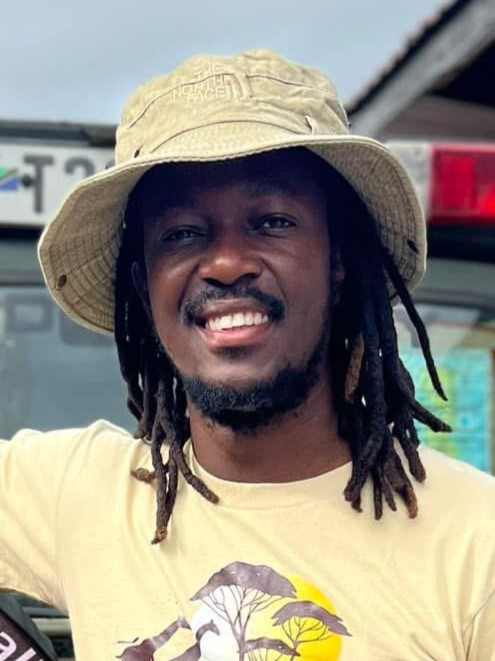
Isack Abeneko (Artist and cultural activist in Dar es Salaam)
>> Educate yourself about the history of your travel destination, especially when you are planning to travel to any place impacted by colonialism! Understanding what has already happened allows you to approach your travels with awareness and respect, preventing the reproduction of colonial-era mindsets or behaviors. As a 21st-century traveler it’s essential to recognize the white privilege that may still be connected, either directly or indirectly, to colonialism and neo-colonialism. Shifting the way we engage with people and destinations we are visiting allows the process to heal the wounds from the colonial time and it is legacy that continues until today. <<
 Decolonial Travel Guide Tanzania
Hinterlasse eine Antwort zu Africanomads Antwort abbrechen