Jimson Sanga
With a Decolonial Travel Guide to Iringa I want to point out Tanzania’s historical sites, emphasizing the resistance of its people against colonial rule. This article highlights key locations that symbolize the struggle for liberation, particularly the heroic efforts of the Hehe people under the leadership of Chief Mkwawa. From the self-sacrificial defiance of Sengimba at Kikongoma to the legendary Battle of Lugalo and the tragic executions at Kitanzini, each site tells a compelling story of bravery, defiance, and the ongoing remembrance of Tanzania’s colonial past.
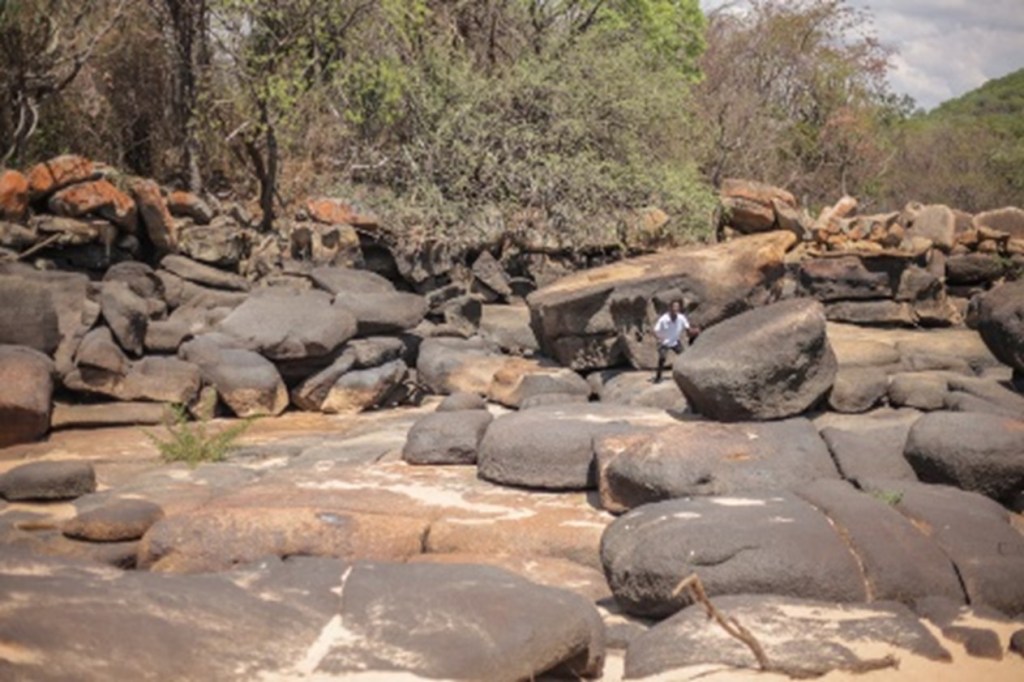
Kikongoma: The God’s Bridge – A Historical Site Honoring the Heroism of a Hehe Woman
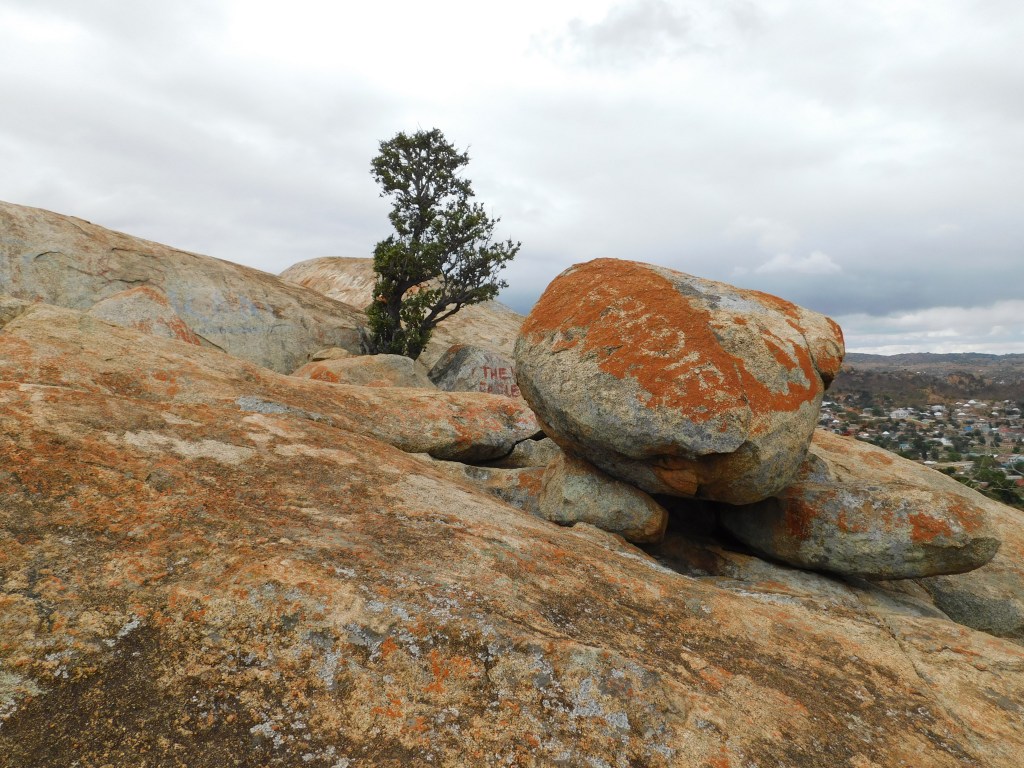
During the reign of Chief Munyigumba, the father of Chief Mkwawa, there was a formidable warrior named Mwambambe, whom Chief Munyigumba had brought into his kingdom. However, Mwambambe was not originally of Hehe descent, making it difficult for him to gain full acceptance as a ruler. When Chief Munyigumba passed away, Mwambambe attempted to seize power over the Hehe kingdom by force. At the time, the person responsible for performing the sacred ritual to appoint a new Hehe chief was Sengimba, the mother of Chief Mkwawa. Mwambambe, eager to legitimize his claim to power, demanded that Sengimba provide him with the sacred medicine required for his chieftaincy. In response, Sengimba told him that the special medicine could only be obtained from Kikongoma, a unique site characterized by skilfully arranged rocks with a small branch of the small Ruaha River flowing beneath them. Trusting her, Mwambambe allowed Sengimba to go alone to Kikongoma to retrieve the medicine. However, once she arrived at the site, rather than betraying her people and handing power over to a foreign warrior, Sengimba made a bold and selfless decision she threw herself into a deep water-filled crevice within the rocks, choosing to sacrifice her own life rather than hand over her homeland to an invader. Sengimba’s act of heroic self-sacrifice ensured that the Hehe kingdom remained free from the rule of an outsider.
The site serves as a constant reminder of Hehe bravery and the critical role that women played in their struggle against oppression. More than just a place of remembrance, Kikongoma continues to inspire and strengthen the Hehe people’s enduring spirit of resistance against any form of colonial or external rule.
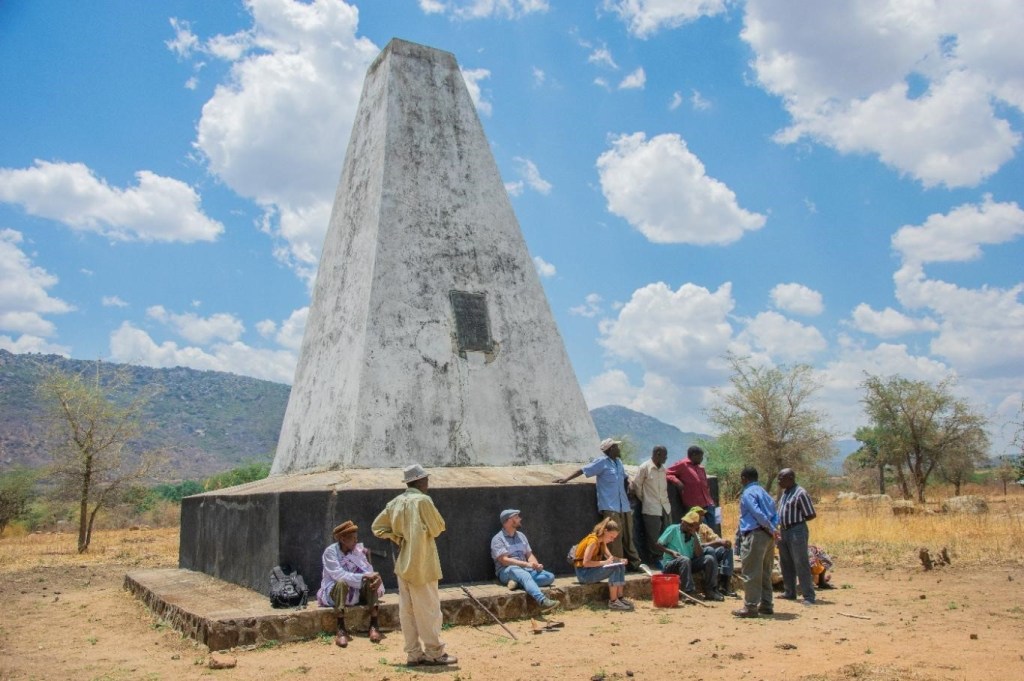
Lugalo Battlefield: An Iconic Decolonization Landmark in Tanzania
Lugalo Battlefield is the site where the Hehe people, under the strong leadership of Chief Mkwawa, engaged in a fierce battle against the Germans in late 1891. The German forces invaded the Hehe Empire with the aim of conquering and subjugating it. Commanded by Emil von Zelewsky, the German troops, estimated to be more than 300 soldiers, marched into Hehe territory. Despite having inferior weaponry, Mkwawa and his army employed advanced warfare tactics, some of which they had adapted from the Ngoni people. With these strategies, they successfully defeated the German troops. This battle brought international recognition to Chief Mkwawa and his army for their bravery, further establishing the Hehe Empire as one of the most formidable forces of resistance in Africa.
Today, Lugalo Battlefield remains a historic site, serving as a memorial for Tanzania’s liberation struggle and the broader African resistance against colonial rule. In the early 1900s, the Germans built a memorial monument at the battlefield to commemorate the site, acknowledging the intense resistance they encountered from Chief Mkwawa and his forces.
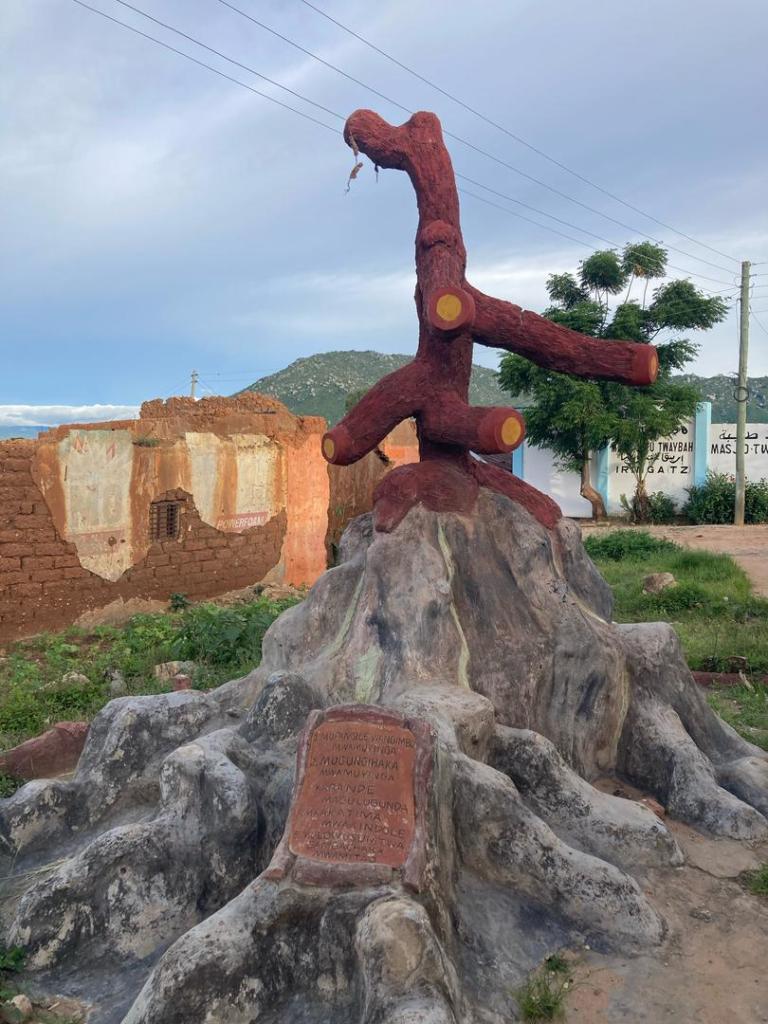
Kitanzini: A Place of German Colonial Brutality Against The Hehe People
Kitanzini is a historical site in Iringa that stands as a grim reminder of the killings committed by German colonial forces against the Hehe people. To suppress opposition and resistance the Germans resorted to brutal methods including public executions. Kitanzini, whose name originates from the Swahili word kitanzi meaning „noose“, was used as an execution ground. Many of those who were executed there were warriors, political leaders and ordinary civilians accused of supporting Chief Mkwawa’s resistance movement. The executions were often carried out in full public view to serve as a warning to others, reinforcing the power and dominance of the colonial administration. One of the most well-documented executions at Kitanzini was that of Mpangile Wangimbo, the younger brother of Chief Mkwawa. In 1896, after years of fighting against German forces, Chief Mkwawa’s resistance was under increasing pressure. The Germans, in their efforts to weaken the Hehe leadership, sought to turn local leaders into puppets who would serve colonial interests. Mpangile Wangimbo, however, refused to collaborate and outright rejected the demand to betray his brother. For his defiance, the Germans sentenced him to death by hanging at Kitanzini. Mpangile’s death, however, did not deter the Hehe from continuing their fight.
Today, Kitanzini remains as a place of sorrow and mourning. However, the site is not just a place of tragedy but also one of remembrance and resilience. It serves as a symbol of the Hehe people’s unwavering resistance against foreign domination and the sacrifices made by their ancestors in the fight for autonomy.
Kalenga: A Historic Stronghold of Iringa During German Colonial Rule
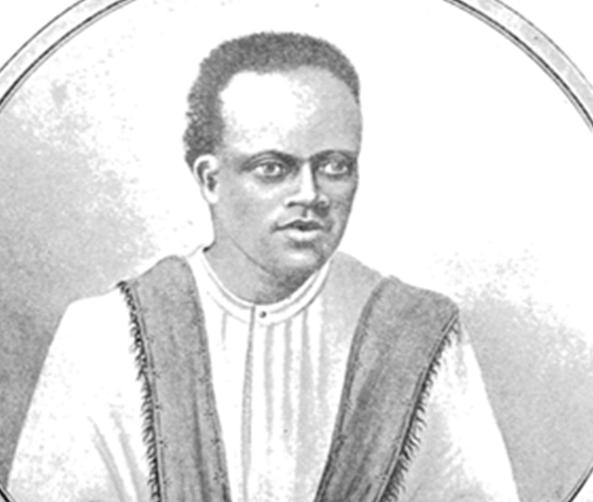
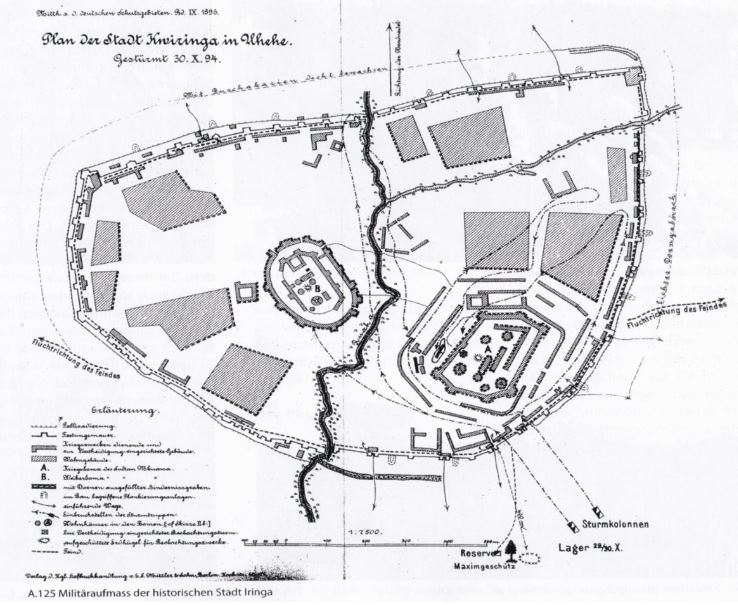
Kalenga is one of the most historically significant sites in Iringa, carrying the legacy of the region’s resistance against German colonial rule. After Chief Mkwawa defeated the Germans in the Battle of Lugalo in 1891, he decided to build a massive fortress in Kalenga to protect both his empire and royal palace from future invasions. This stronghold served as a decisive defense against the Germans and other external threats. The Kalenga Fortress was heavily guarded by skilled warriors, ensuring that no enemy could easily penetrate its defenses. It was strategically designed and expertly constructed, making Kalenga and Chief Mkwawa’s palace a well-protected center of power. However, in 1894, German forces led by Captain Tom von Prince launched an attack on Kalenga, using heavy artillery and Canons to destroy the fortress. Despite the devastating attack, Chief Mkwawa’s courage and resilience enabled him to escape and seek refuge in Mlambalasi. To this day, Kalenga remains a symbol of African liberation, particularly for the Hehe people. It was not only a military stronghold but also a center for strategic war planning, governance and the fight against German colonial rule.
Mlambalasi: The Final Resting Place of Chief Mkwawa
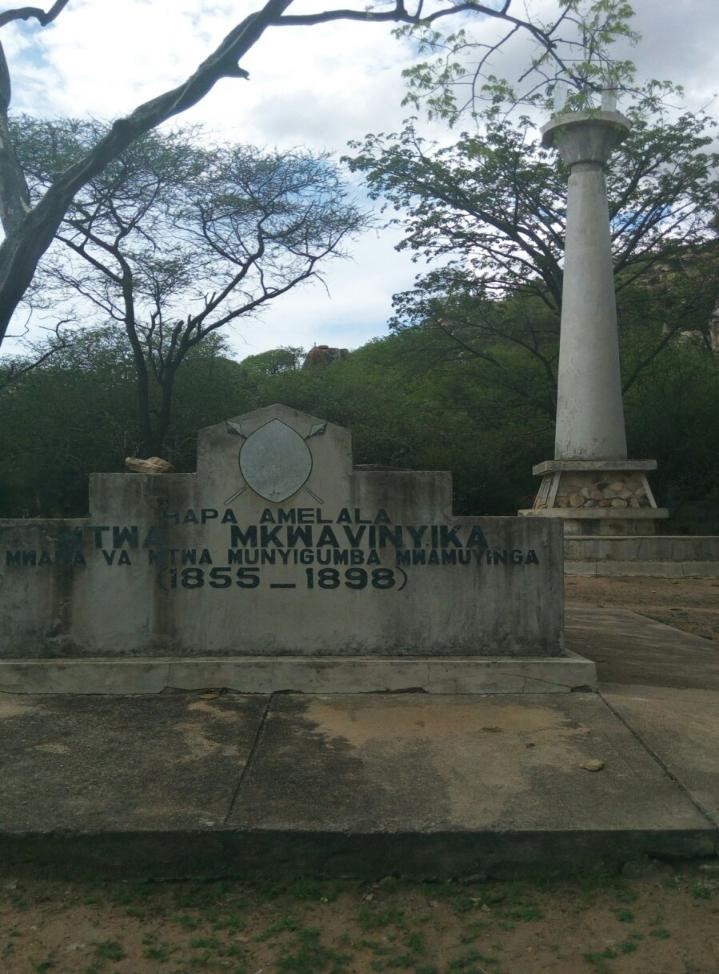
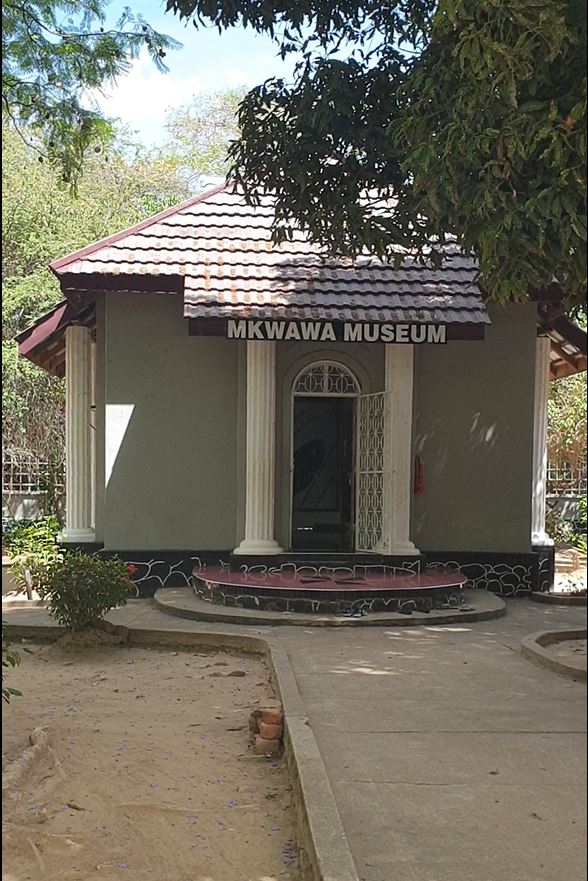
Mlambalasi remains a historical site that embodies the bravery and resistance of Chief Mkwawa in his fight against colonial rule, particularly during the German occupation of Iringa. After the Germans returned to Iringa in 1894 under Captain Tom von Prince, they launched a campaign against Chief Mkwawa and successfully destroyed his stronghold in Kalenga. However, Chief Mkwawa managed to escape and sought refuge in the caves of Mlambalasi. For four years, while in hiding, Chief Mkwawa continued waging guerrilla warfare against the German forces. In 1898, the Germans discovered his whereabouts in the Mlambalasi caves. Demonstrating remarkable courage and determination, Chief Mkwawa chose not to be captured alive by the colonial forces. Instead, he took his own life using his firearm. To this day, Mlambalasi remains a significant historical place that symbolizes Chief Mkwawa’s heroism in resisting colonial rule. His body was buried at Mlambalasi, while his skull was taken and later preserved at the Mkwawa Museum in Kalenga.
 Decolonial Travel Guide Tanzania