
Rose Kangu
After the arrival of the Germans, they established their rule and changed the rule that the African (Tanganyika) was accustomed to. The German rule was a tyrannical and exploitative rule that did not respect the dignity of the person. When the Germans began to rule Tanganyika, they established the following: large plantations of commercial crops such as hemp and cotton and the use of money while at that time the African was used to exchanging things for things. The Germans also established various types of taxes including head tax or house tax. Africans were robbed of their fertile lands, and forced to cultivate commercial crops. Africans were also made to work hard and were paid very low wages.
Wangoni
Wangoni are a tribe that came from South Africa and in South Africa they fled due to various factors such as civil war, severe famine and land shortage. They started looking for shelter in various areas with the aim of finding places where they could make their permanent home, in short the Wangoni have settled in many countries in Africa including Tanzania, Zambia, Malawi and other African countries. Wangoni are a tribe of people in Southern Tanzania living in the Ruvuma Region, especially in the Songea area.
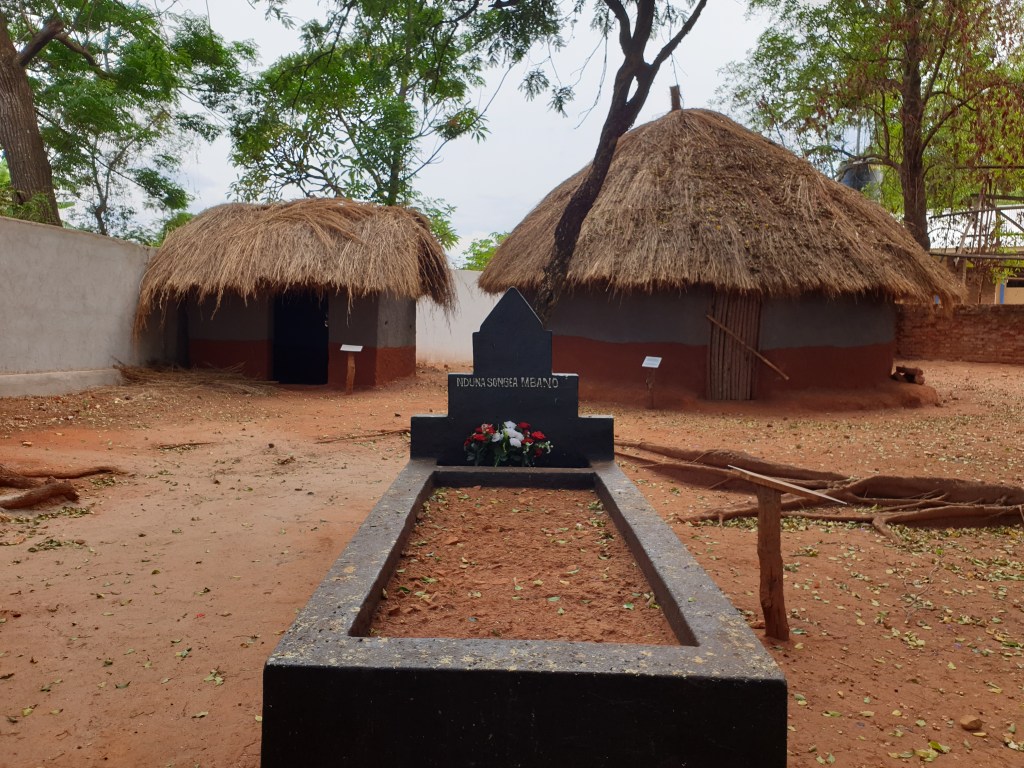
Nduna Songea Luafu Mbano
Nduna Songea Luafu Mbano is a leader who was the Chief Assistant to Chief Mputa Bin Gwazerapasi Gama, Chief of the Wangoni Tribe. The city of Songea is named after him. He was a strong and courageous leader (Army Commander) who owned a traditional army. He really bothered the Germans during the Maji Maji War, but they later captured him. Before hanging him, they wanted to use him as their puppet, that is, someone who would reveal the secrets of fellow Africans. But Songea Mbano refused and so the Germans took him and hanged him. While Songea Mbano was being hanged, his rope broke three times and so they ordered him to be shot and killed. Later, they buried him and after a few days they dug up his grave and cut off his head and transported it to Germany where it probably remains to this day.
Maji Maji War
Due to violence, land theft, and exploitative policies, the locals rebelled against foreign rule. In protests, in the summer of 1905, East Africans destroyed German cotton fields and demolished, looted, and burned German houses. Administrative workers were expelled, and military installations were attacked. The rebellion became a major resistance movement. The Maji Maji War lasted from 1905 to 1907. People of different religions, languages, and cultures united. More than twenty tribes from the regions of Dar es Salaam, Ruvuma, Pwani, Iringa, Mbeya, Lindi, Mtwara, Njombe, Iringa, Morogoro, and Songwe participated in the war against foreign rule.
All the regions were united by the Maji Maji medicine developed by a local healer named Kinjekitile Ngwale in 1904. It began to be distributed in the same year. The medicine had various conditions for it to work effectively, some of the conditions are: Not eating cassava ugali, not sleeping with a woman while taking the medicine, you fight in the open to defeat the enemy. Initially, they were better equipped and motivated by the prospect of maji and the fighters achieved rapid success. They brought almost half of the colonial territory under their control.
The Germans were taken by surprise and initially lacked sufficient military resources. However, with more modern weapons and the increase in the German Schutztruppe, the resistance fighters became increasingly embarrassed. So they switched to bush tactics and surprise attacks. The Germans responded with a scorched earth policy. They destroyed and destroyed wells, farms, crops, livestock and houses in southern Tanzania. People were deprived of their livelihoods and starved to death. Historians estimate that a total of between 180,000 and 300,000 people were killed.
The remnants of colonialism remain in the hearts and minds of the Tanganyika, who have not yet forgotten all that the Germans did to their ancestors. But also the presence of African remnants in Germany is one of the things that makes the Tanzanians not forget.
Further Information
- Becker, Felicitas & Beez, Jigal (2005): Der Maji-Maji-Krieg in Deutsch-Ostafrika 1905-1907. Berlin: Ch. Links Verlag.
- Ebner, Fr Elzear (1987): The History of Wangoni, Peramiho: Benedictine Publications Ndanda
- Film: Das Leere Grab / Kaburi la Wazi / Empty Grave (Deutschland/Tansania 2024)
- Giblin, James und Monson, Jamie (2010): Maji Maji – Lifting the Fog of War, Leiden: Brill
- Gwassa, Gilbert Clement Kamana, (1973/2005): The Outbreak and Development of the Maji Maji War 1905–1907, Köln: Rüdiger Koppe Verlag
- LeGall, Yann & Mboro, Mnyaka Sururu (2021): Remembering the Dismembered. African Human Remains and Memory Cultures in and after Repatriation: Songea Mbano: www.rememberinghumanremains.wordpress.com/songea-mbano/
- Riel, Art van (2023): Der verschwiegene Völkermord. Deutsche Kolonialverbrechen in Ostafrika, Köln: Papy Rossa Verlag
 Decolonial Travel Guide Tanzania